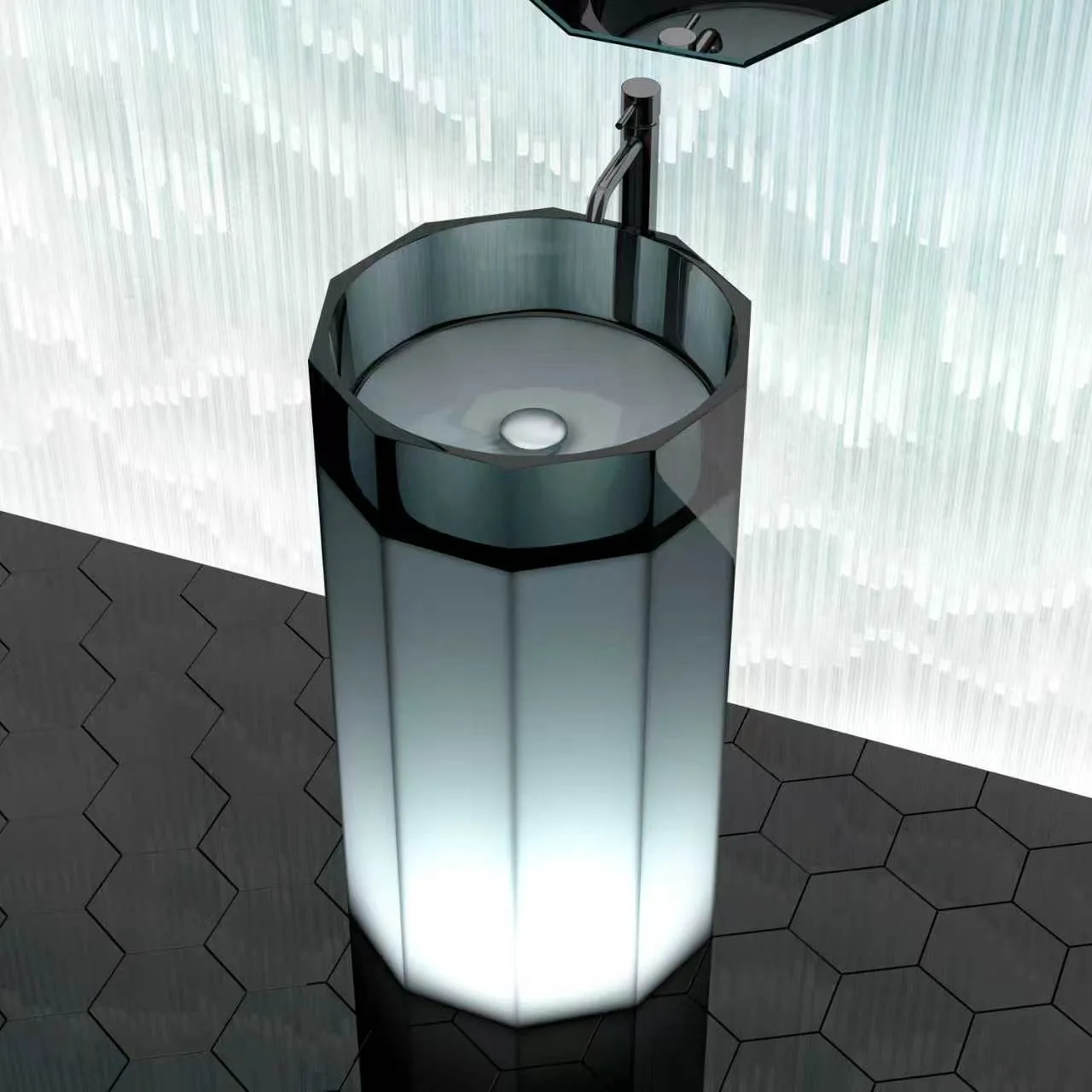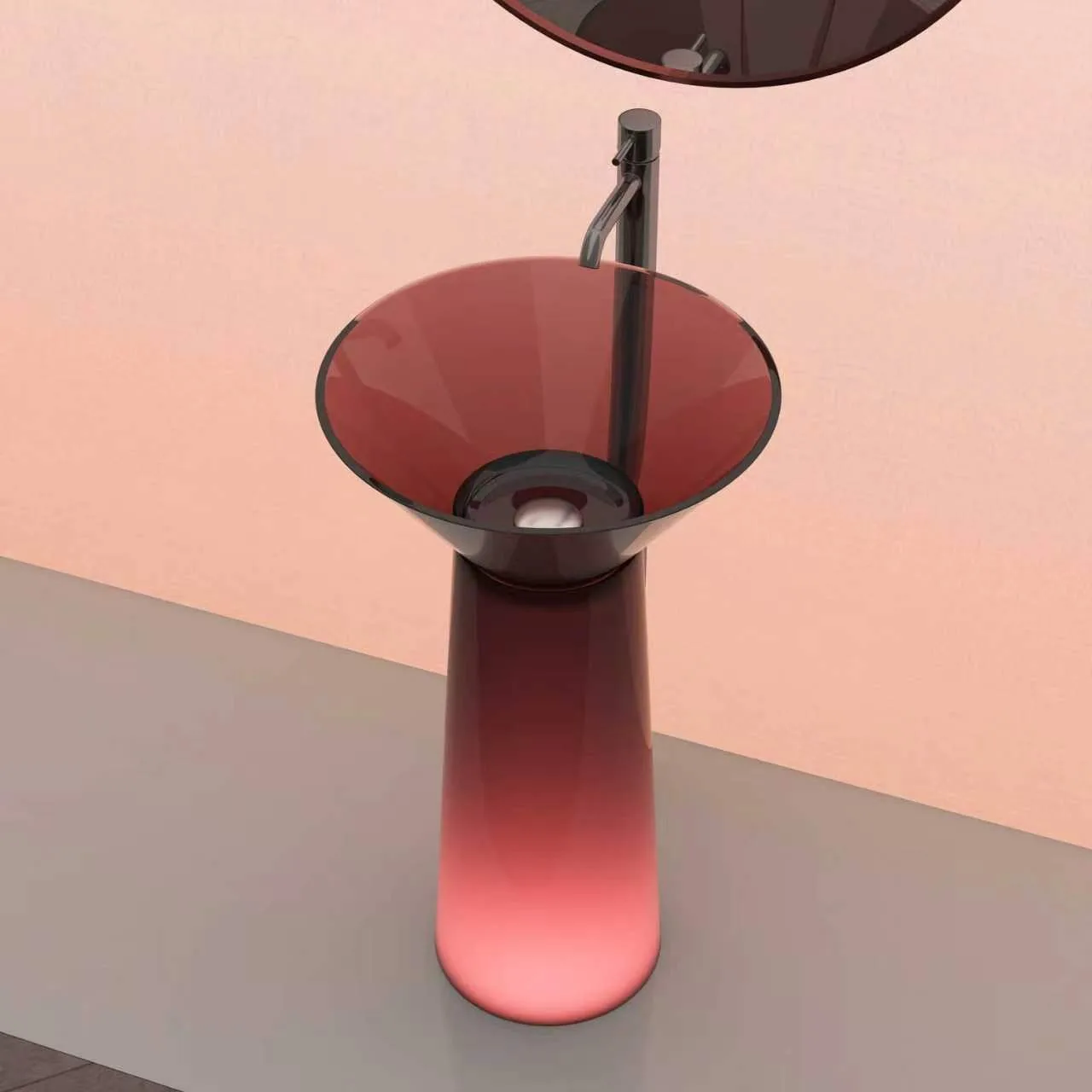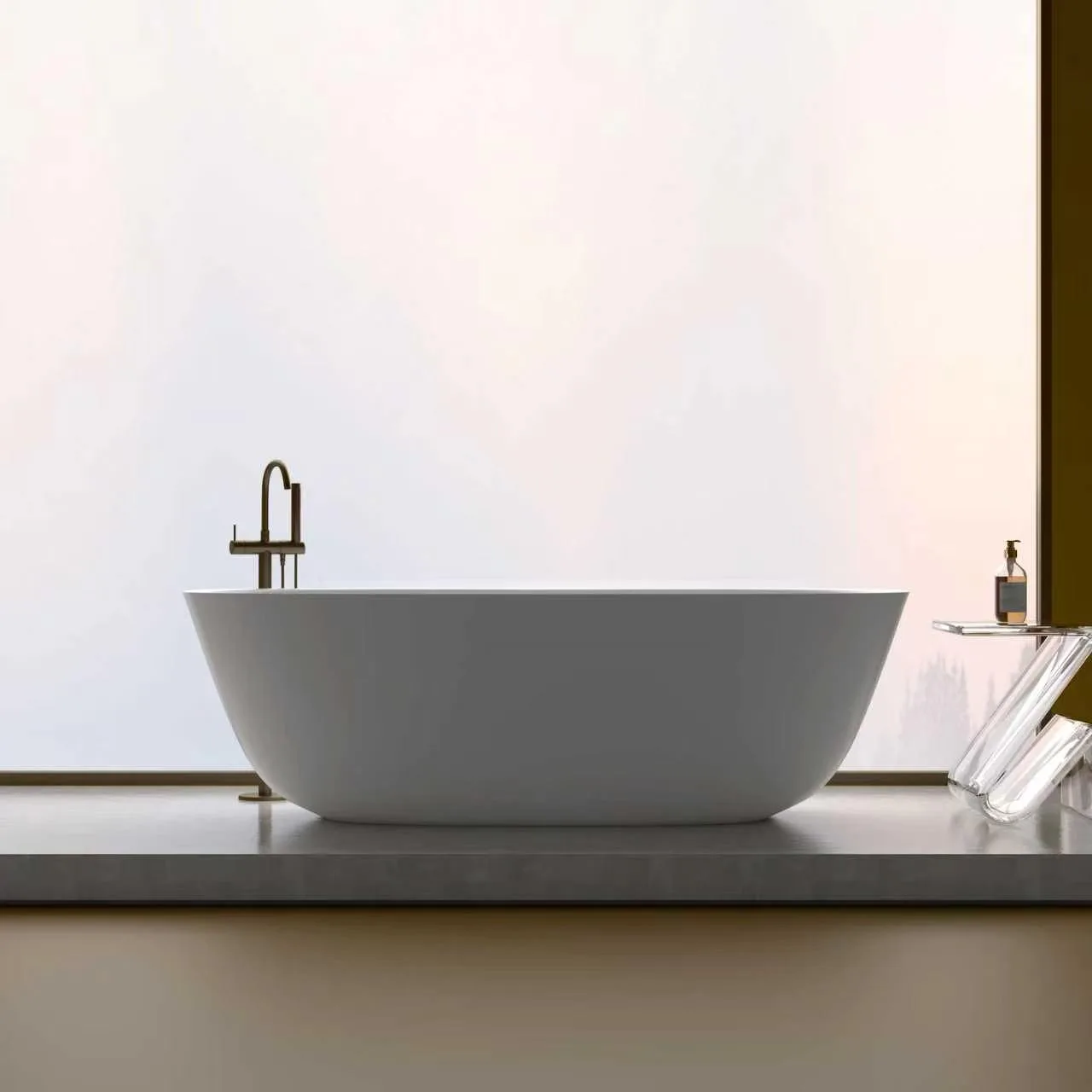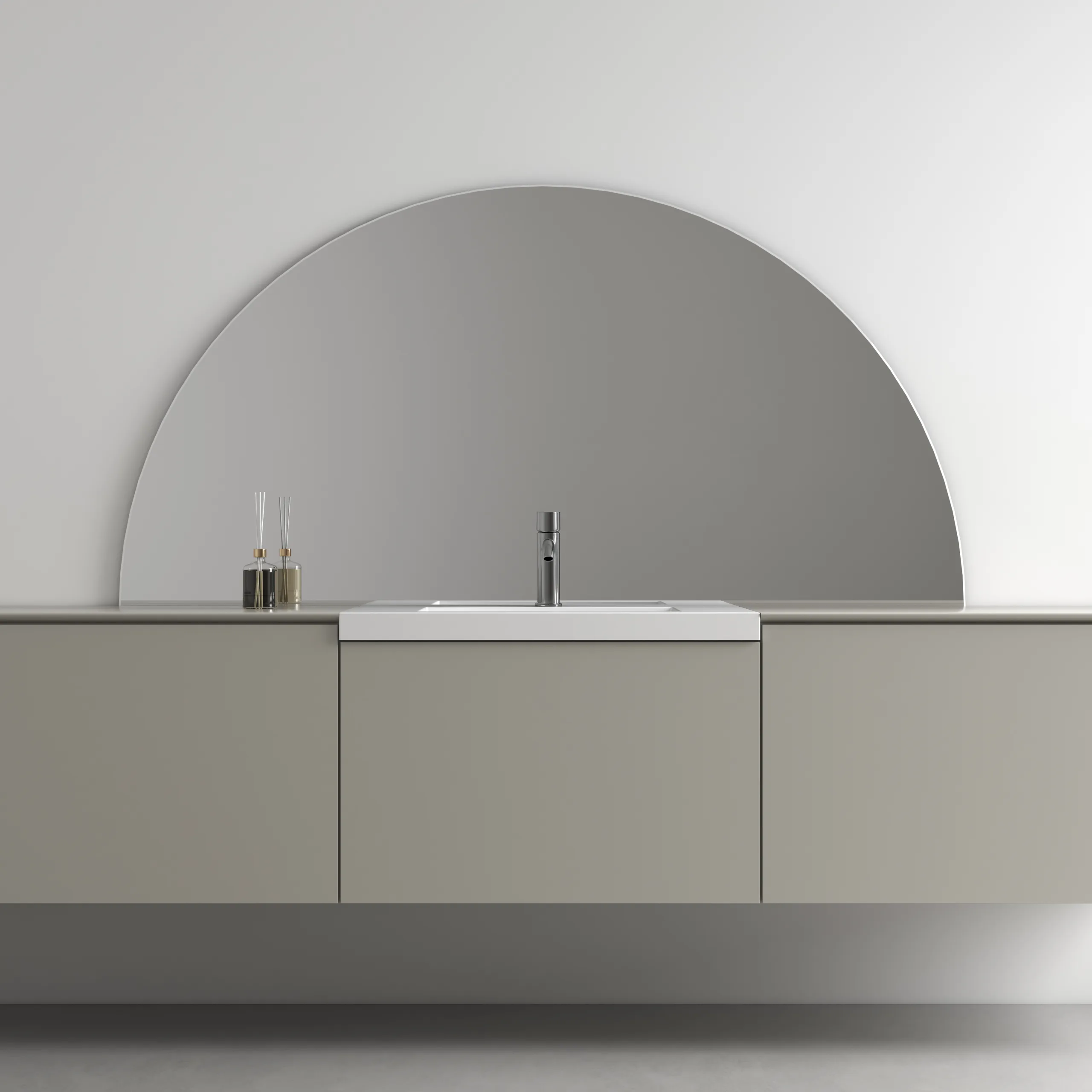
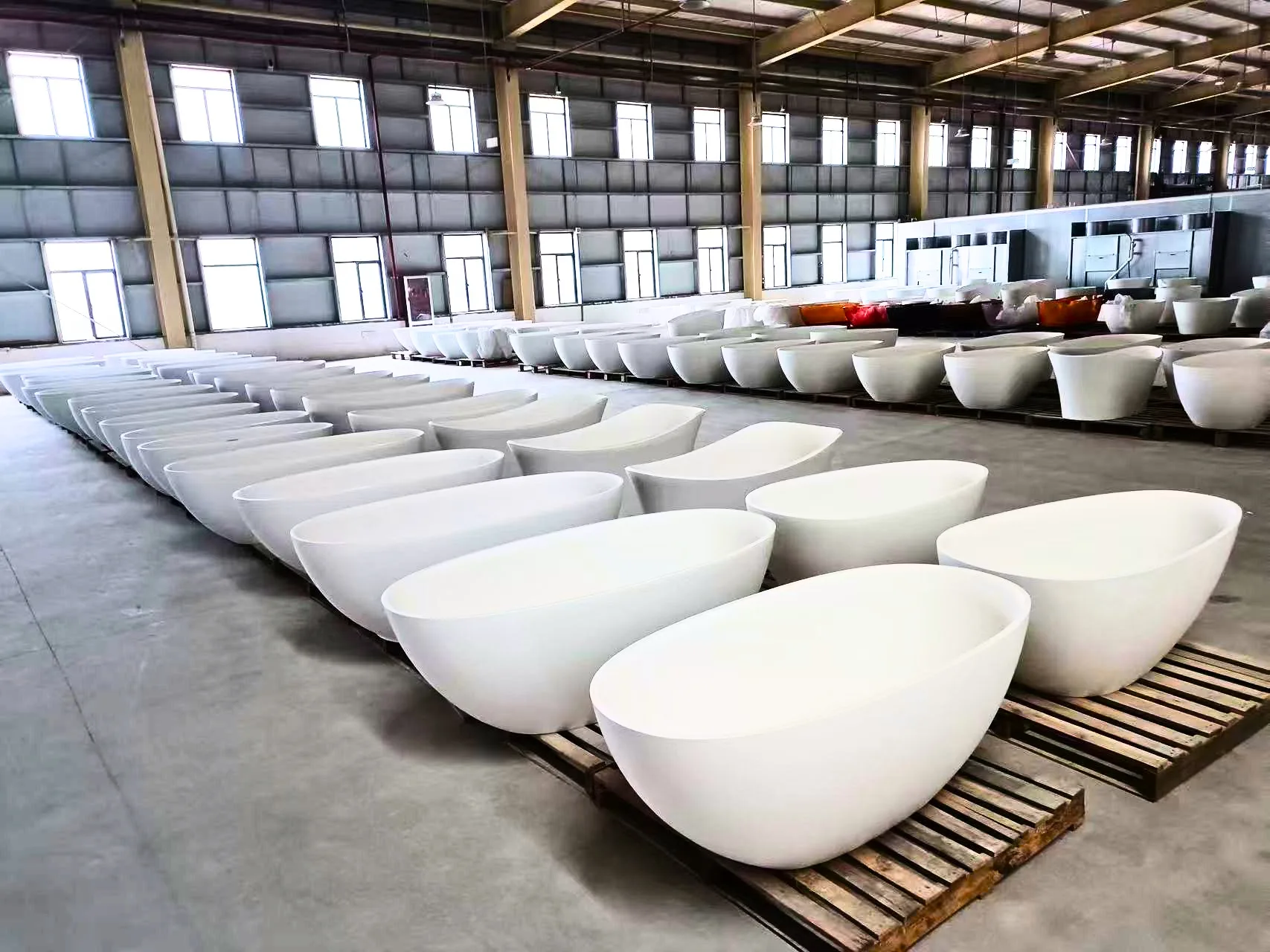
When you’re designing a high-end hotel suite or a luxury villa, the bathtub isn’t just a fixture—it’s the centerpiece. In recent years, we’ve seen a massive shift in the market. More developers and designers are moving away from traditional acrylic or cast iron and asking us about one specific material: Stone Resin (also known as Solid Surface).
But is it worth the investment? As a factory that has been manufacturing these for over two decades, I’m going to give you the straight talk on stone resin bathtub pros and cons. No fluff, just the facts you need to make an informed decision.
What Exactly is Stone Resin?
Before we dive into the “good and bad,” let’s clear up the jargon. Stone resin is a man-made composite. At HANDAO, we blend high-quality resin with natural minerals. The result is a solid, heavy, and incredibly durable material that feels like natural stone but offers much better performance in a bathroom environment.
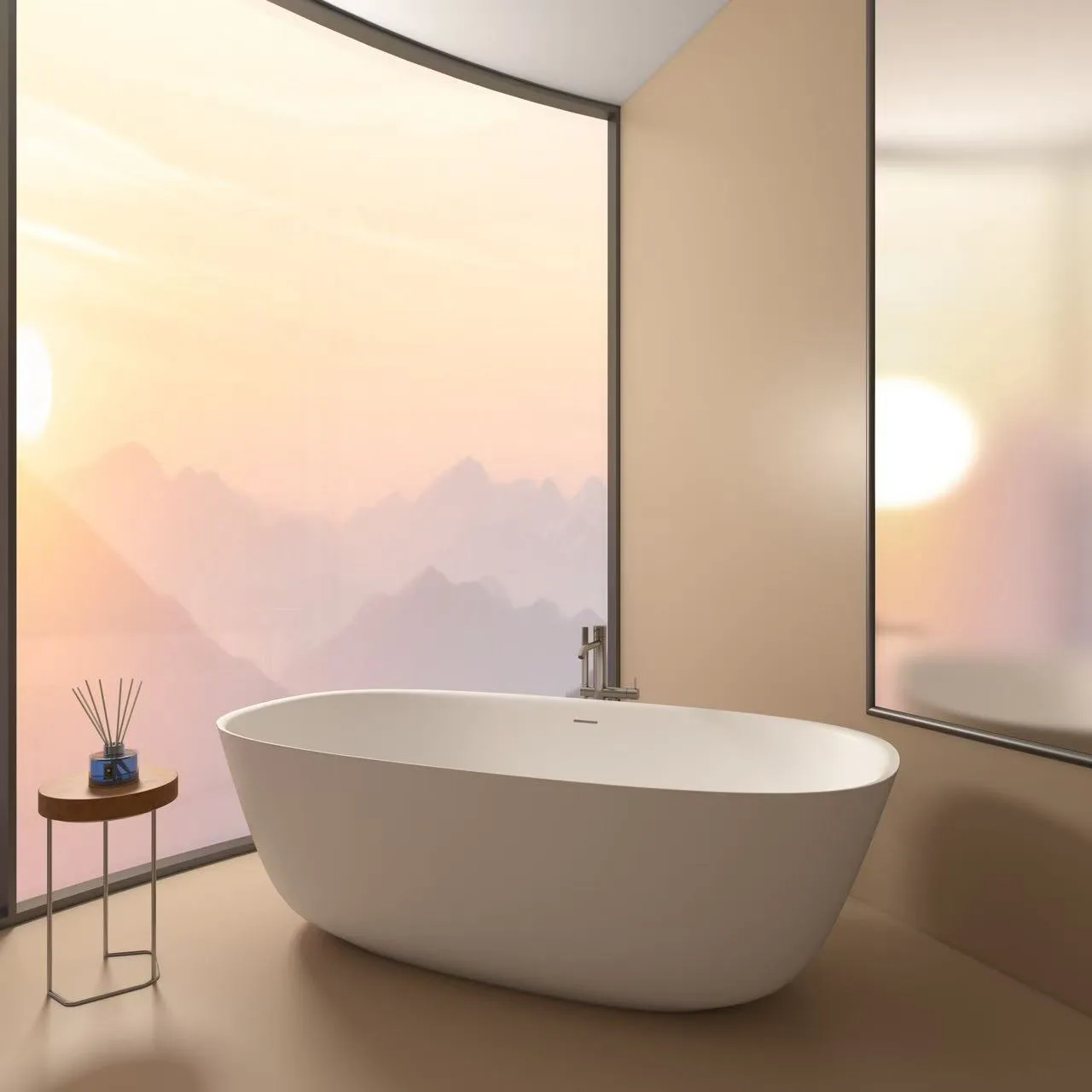
The Pros: Why Everyone is Switching to Stone Resin
1. Incredible Heat Retention
There is nothing worse than a luxury bath that goes cold in ten minutes. One of the standout “pros” of stone resin is its thermal mass. Because the material is thick and solid, it acts like a thermos. It holds heat significantly longer than thin acrylic tubs, allowing for a much more relaxing experience—a huge selling point for hotel guests.
2. Durability That Lasts Decades
In a commercial setting, durability is everything. Stone resin is hard-wearing and resistant to chips and cracks. Unlike acrylic, which can flex and eventually crack under pressure, a stone resin bathtub is rock-solid. It’s built to handle the wear and tear of a busy hotel for 15-20 years without losing its structural integrity.
3. Non-Porous and Hygienic
From a maintenance perspective, this is the “holy grail.” Stone resin is non-porous. This means bacteria, mold, and mildew have nowhere to hide. It doesn’t absorb moisture, making it incredibly easy to clean with just a damp cloth and mild soap. For hospitality projects, this translates to lower cleaning costs and better hygiene standards.
4. 100% Repairable
Here’s a secret from the factory floor: accidents happen during installation. If an acrylic tub gets a deep scratch, it’s usually ruined. But stone resin is solid all the way through. If it gets scratched or even chipped, you can simply sand it down and polish it back to a brand-new finish. It’s one of the few bathroom fixtures that actually can be restored to its original state.
5. That “Luxury” Aesthetic
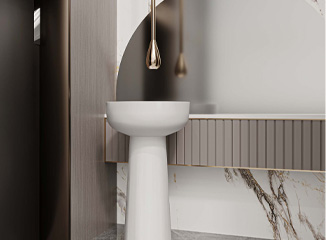
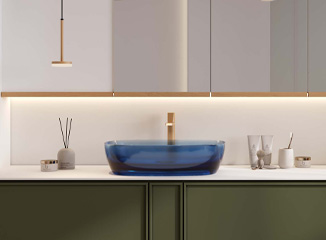
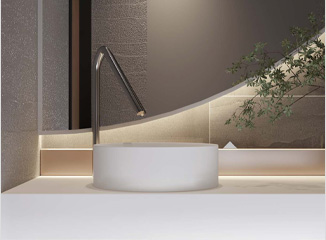
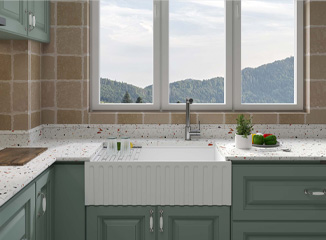
Let’s be honest—looks matter. Stone resin has a matte or glossy finish that looks and feels like expensive natural stone (think Carrara marble or clean white limestone) but without the heavy maintenance requirements of real stone. It offers those clean, sharp lines that are essential for modern minimalist designs.
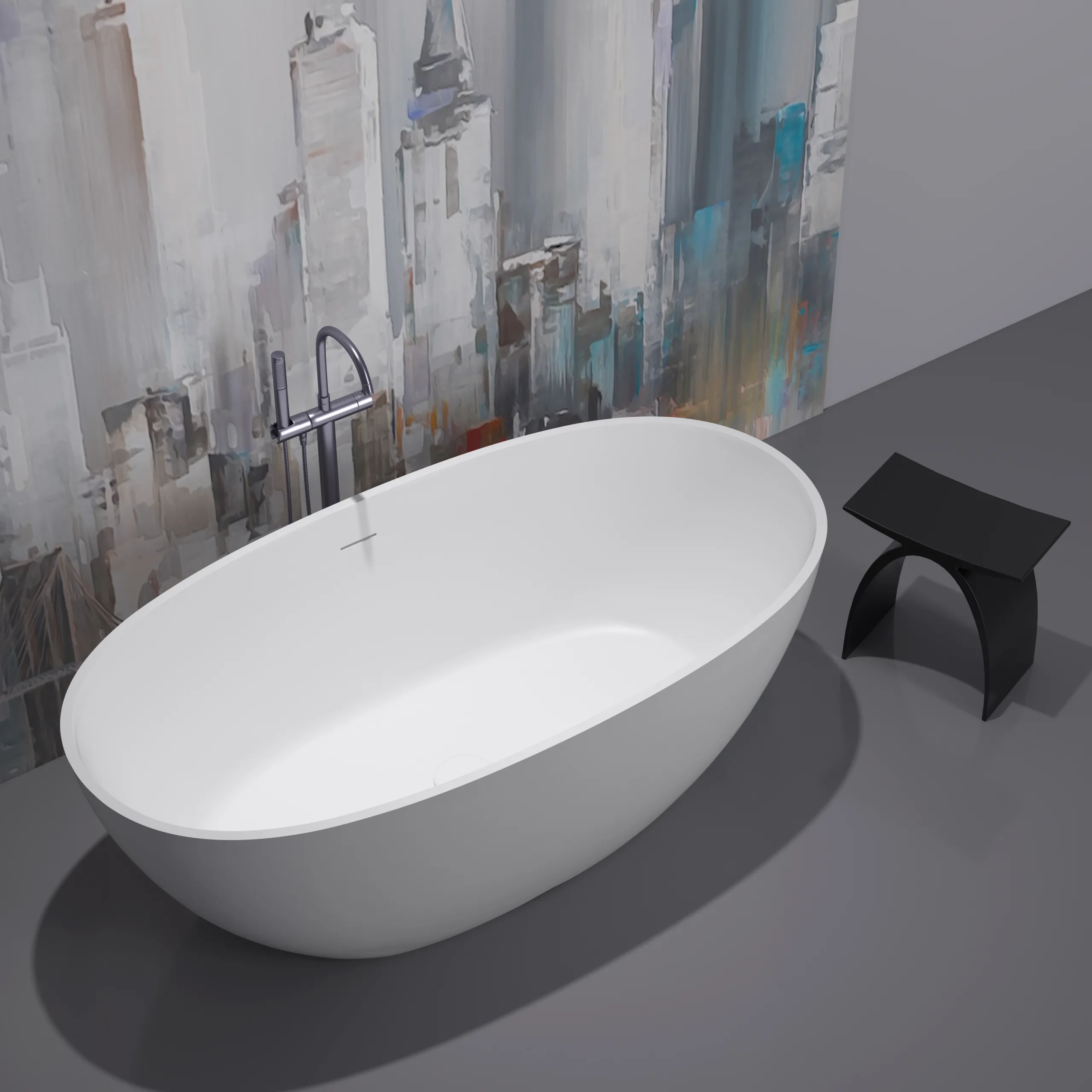
The Cons: What You Need to Consider
1. It’s Heavy (Very Heavy)
This is the most important “con” to plan for. A standard stone resin freestanding tub can weigh anywhere from 130kg to 200kg (280 – 440 lbs) before you add water and a person.
- The Fix: You must ensure the flooring can support the weight. For second-story installations in older buildings, you might need structural reinforcement.
2. Higher Upfront Cost
Stone resin is a premium material, and the price tag reflects that. It is more expensive than mass-produced acrylic tubs. However, when you calculate the “cost per year” over its 20-year lifespan, it often ends up being cheaper than replacing a cheap tub every five years.
3. Professional Installation is a Must
Because of the weight and the precision required for freestanding plumbing, you can’t DIY this. You’ll need a professional team and a few sets of strong hands just to get the tub into the bathroom.
The Verdict: Who is it for?
If you are looking for a “quick fix” for a low-budget rental property, stone resin might be overkill.
However, if you are a hotel developer, an interior designer, or a homeowner looking for a “forever tub” that adds real value to a property, the pros far outweigh the cons. The combination of heat retention, easy repairability, and that unmistakable stone feel makes it the gold standard in modern sanitary ware.
Why HONDAO?
As a leading factory in China, we don’t just sell bathtubs; we provide solutions. Our stone resin products are CE and CUPC certified, and we use a specialized anti-yellowing resin that keeps our tubs looking bright white for years.
Want to see our latest designs for 2026? Check out our Solid Surface Bathtub collection here or contact us directly for a project quote.