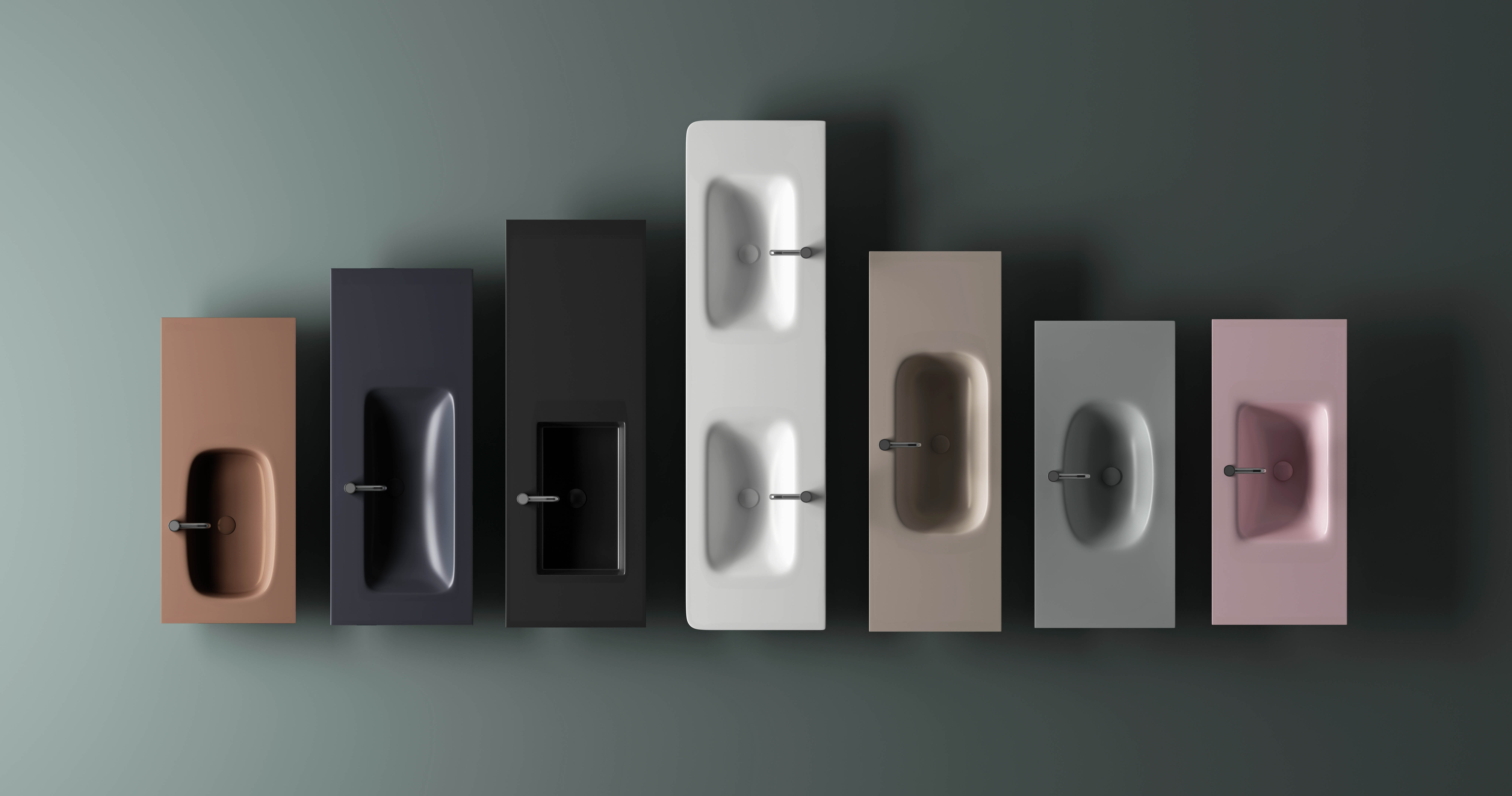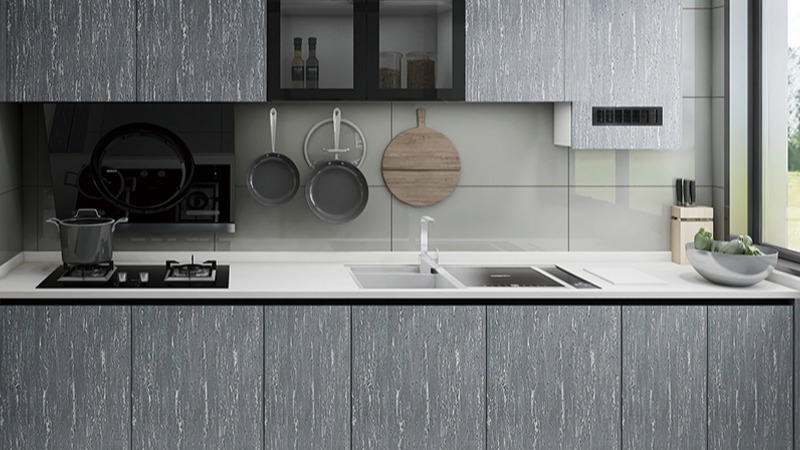




Photography studio personalized washbasin decoration application
Date of Release: 2026-03-06
Sharing:


Photography studios thrive on visual storytelling, and every detail—from lighting to decor—contributes to the atmosphere.
Creative Bathroom Sink Decor Ideas for Photography Studios
Photography studios thrive on visual storytelling, and every detail—from lighting to decor—contributes to the atmosphere. A uniquely designed bathroom sink can serve as both a functional fixture and a statement piece, reflecting the studio’s aesthetic while enhancing client experience. This guide explores how to integrate artistic sink designs into studio spaces, focusing on materials, styles, and practical considerations.
Why Custom Sink Design Matters in Creative Spaces
A standard sink might blend into the background, but a custom-designed basin becomes a focal point that sparks conversation. For photography studios, where clients often spend hours during shoots or editing sessions, the bathroom offers a private space to refresh. A visually striking sink can elevate this experience, leaving a lasting impression and reinforcing the studio’s brand identity.
Beyond aesthetics, durability is key. Studios see high traffic, from clients to staff, so sinks must withstand frequent use without showing wear. Materials that resist stains, scratches, and water damage ensure longevity, reducing maintenance costs over time.
Material Choices for Artistic and Durable Sinks
Artificial stone has emerged as a top choice for creative sink designs due to its versatility and resilience. This synthetic material, crafted from resin and mineral composites, can be molded into intricate shapes and textures that natural stone cannot achieve. Its non-porous surface repels water and bacteria, making it ideal for hygiene-conscious environments like photography studios.
Companies like HONDAO, a Guangdong-based manufacturer specializing in artificial stone sanitary ware, demonstrate the potential of this material. Their 21,000-square-meter factory produces 600 pieces daily, including bathroom sinks, shower trays, and countertops. With a team of 200 skilled workers and a dedicated R&D department, they create seamless designs that eliminate grout lines—a common hiding spot for dirt and germs—while offering endless customization options.
Design Inspiration for Studio Sinks
- Sculptural Basins: Opt for sinks with organic, flowing shapes that mimic natural forms like waves or leaves. These designs add a touch of elegance and movement to the space, creating a calming effect for clients.
- Geometric Patterns: For a modern, minimalist studio, choose sinks with sharp angles or grid-like textures. These contrasts with soft lighting and neutral walls, creating visual interest without overwhelming the room.
- Embedded Artwork: Work with manufacturers to incorporate subtle designs into the sink’s surface, such as etched patterns or color gradients. These details can tie into the studio’s branding or the photographer’s signature style.
Lighting and Placement Strategies
The right lighting can transform a sink from a functional item into a work of art. Install wall sconces or pendant lights above the basin to highlight its texture and shape. Backlighting is another effective technique, especially for translucent materials like certain artificial stones, which can create a soft glow around the edges.
Placement also plays a role in the sink’s impact. Position it near a window to leverage natural light during the day, or place it centrally in the bathroom to make it the focal point. Avoid cluttering the area with unnecessary decor; let the sink stand out as the main attraction.
Practical Considerations for High-Traffic Studios
While aesthetics are important, functionality cannot be overlooked. Ensure the sink’s design doesn’t compromise usability:
- Depth and Size: Choose a basin deep enough to prevent splashing but shallow enough for easy access. A width of at least 18 inches accommodates most handwashing needs without feeling cramped.
- Drainage: Opt for a sink with a sloped bottom and a centered drain to prevent water pooling. This reduces slip hazards and keeps the area clean.
- Faucet Integration: Select faucets that complement the sink’s design without obstructing its lines. Wall-mounted or deck-mounted options work well, depending on the basin’s shape.
Maintaining the Sink’s Appearance
Regular cleaning preserves the sink’s beauty and hygiene:
- Daily Wiping: Use a soft cloth and mild detergent to remove soap scum or water spots. Avoid abrasive cleaners, which can scratch the surface.
- Stain Prevention: For artificial stone sinks, wipe up spills immediately to prevent staining. Though resistant, some substances like hair dye or ink may leave marks if left unattended.
- Polishing: Periodically apply a stone-safe polish to restore the sink’s shine. This enhances its visual appeal and creates a protective barrier against future damage.
Adapting to Different Studio Styles
Photography studios vary widely in their aesthetic, from rustic and vintage to sleek and industrial. The sink’s design should align with the overall theme:
- Rustic Studios: Choose sinks with a matte finish or stone-like texture to complement wooden furniture and earthy tones.
- Modern Studios: Opt for glossy surfaces or metallic accents to match minimalist decor and clean lines.
- Eclectic Studios: Mix materials like artificial stone with metal or glass for a bold, unconventional look.
Conclusion
A creatively designed bathroom sink can elevate a photography studio’s ambiance, turning a mundane space into a memorable part of the client experience. By prioritizing materials like artificial stone, thoughtful design, and practical functionality, studios can create fixtures that are both beautiful and durable. With endless customization options, the sink becomes more than just a place to wash hands—it’s a reflection of the studio’s artistic vision.