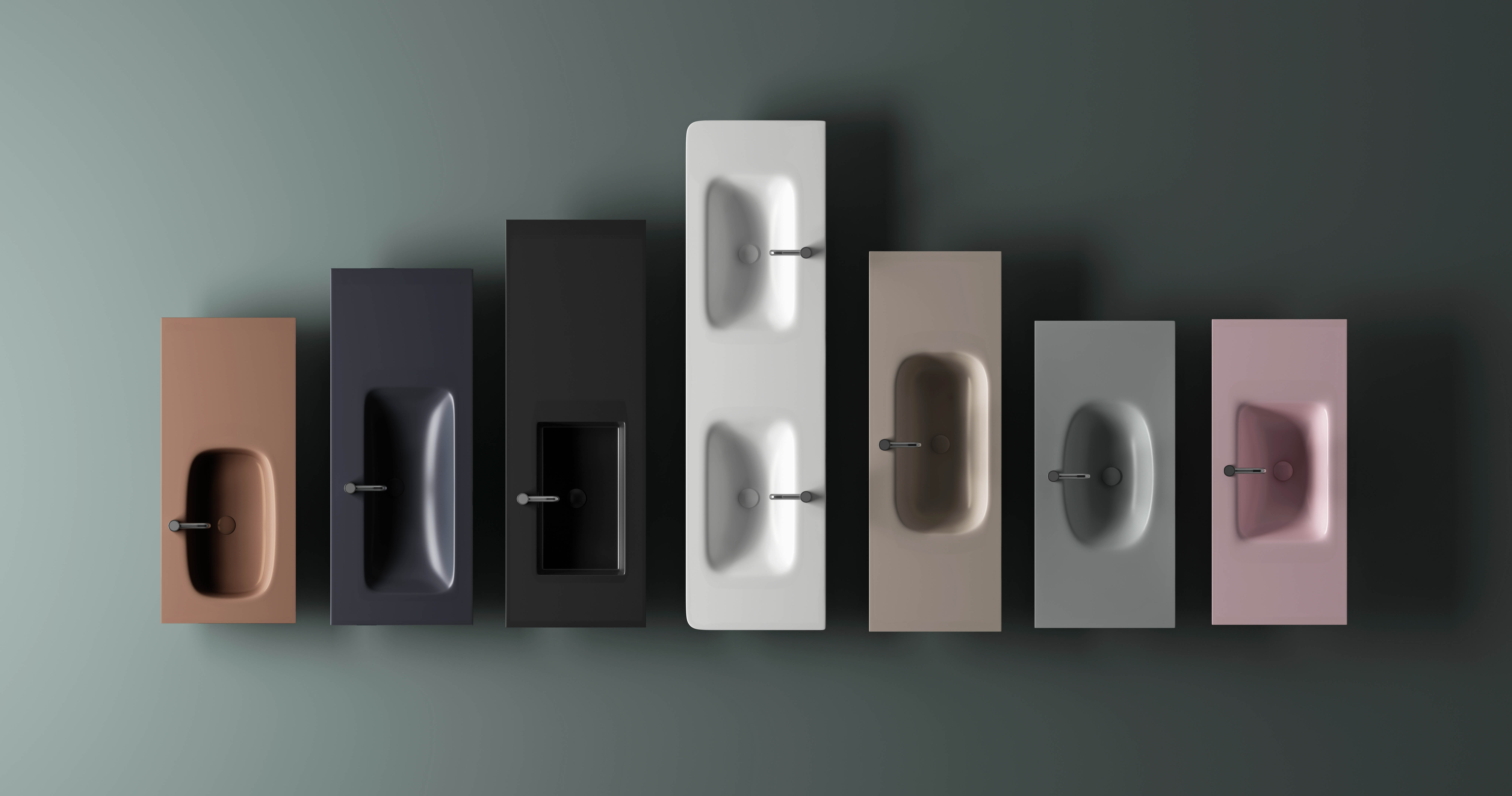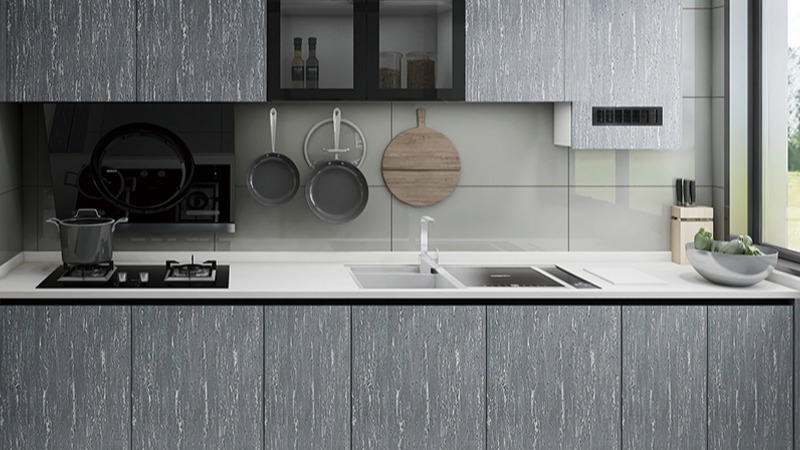




The under-sink basin in the subway station restroom is frequently used.
Date of Release: 2026-03-06
Sharing:


Subway station restrooms endure constant traffic, with thousands of users daily.
High-Frequency Use of Under-Counter Sinks in Subway Station Restrooms
Subway station restrooms endure constant traffic, with thousands of users daily. Among the fixtures, under-counter sinks stand out for their durability and space efficiency, making them ideal for high-demand environments. This guide explores how these sinks perform under heavy use, material considerations, and maintenance strategies to ensure longevity in public spaces.
Why Under-Counter Sinks Excel in High-Traffic Areas
Under-counter sinks, installed beneath countertops, offer a seamless design that minimizes dirt accumulation and simplifies cleaning. Unlike above-counter models, they lack exposed edges where grime can gather, reducing the risk of bacterial growth—a critical factor in public restrooms. Their smooth integration with countertops also prevents water from pooling, lowering slip hazards for hurried commuters.
The ergonomic design of under-counter sinks further enhances their suitability. Their low profile allows easy access for users of all heights, including children and individuals with mobility challenges. This inclusivity is vital in subway stations, where accessibility directly impacts user satisfaction.
Material Selection for Durability and Hygiene
Artificial stone has become a preferred material for under-counter sinks in public spaces due to its resilience and low maintenance. This engineered composite, blending resin and minerals, resists scratches, stains, and chemicals, ensuring it withstands frequent cleaning without degrading. Its non-porous surface prevents water absorption, reducing the risk of mold or mildew, which thrive in damp environments like restrooms.
Companies like HONDAO, a Guangdong-based artificial stone specialist, highlight the material’s potential. Their 21,000-square-meter factory produces 600 pieces daily, including bathroom sinks, shower trays, and countertops. With 200 skilled workers and a dedicated R&D team, they focus on creating seamless designs that eliminate grout lines—common weak points in traditional tile installations. This attention to detail ensures artificial stone sinks remain hygienic and visually appealing even after years of heavy use.
Design Features for Heavy-Duty Performance
- Reinforced Edges: Under-counter sinks should have thickened rims to resist chipping from accidental impacts, such as dropped items or cleaning tools.
- Deep Basins: A basin depth of at least 6 inches prevents water from splashing onto countertops, keeping the area dry and reducing cleanup time.
- Central Drain Placement: Positioning the drain at the basin’s center ensures efficient water flow, minimizing standing water that can attract pests or cause odors.
Installation Best Practices for Stability
Proper installation is crucial for under-counter sinks to handle high traffic:
- Secure Mounting: Use heavy-duty adhesive and mechanical fasteners to anchor the sink to the countertop. This prevents shifting or detachment, which could lead to leaks or injuries.
- Level Surface: Ensure the countertop is perfectly level before installation. An uneven surface can cause water to pool, increasing wear on the sink’s finish.
- Plumbing Accessibility: Design the plumbing system for easy access. Concealed pipes beneath the sink should be reachable for repairs without dismantling the entire setup.
Maintenance Strategies for Longevity
Regular upkeep extends the lifespan of under-counter sinks in busy subway restrooms:
- Daily Cleaning: Wipe the sink and surrounding countertop with a mild, non-abrasive cleaner to remove soap scum and water spots. Avoid harsh chemicals that can damage the artificial stone’s surface.
- Inspect for Damage: Check the sink monthly for cracks, chips, or discoloration. Address issues promptly to prevent minor problems from worsening.
- Unclog Drains: Use a plunger or drain snake to clear blockages instead of chemical cleaners, which can corrode pipes over time.
Addressing Common Challenges
Subway restrooms face unique challenges, from vandalism to hard water stains. Artificial stone sinks offer solutions:
- Vandal Resistance: The material’s toughness resists scratches from keys or tools, maintaining a polished appearance even in high-risk areas.
- Stain Prevention: For hard water stains, apply a vinegar-and-water solution, then rinse thoroughly. This natural remedy avoids the need for harsh chemicals.
- Odor Control: Regularly clean the drain and overflow openings to prevent buildup of organic matter, which can cause unpleasant smells.
Adapting to Space Constraints
Subway stations often have limited space, making compact sink designs essential. Under-counter models can be customized to fit narrow countertops without sacrificing functionality. For example, a smaller basin paired with a wall-mounted faucet maximizes usable space while maintaining ergonomic access.
Environmental Considerations
Artificial stone’s eco-friendly properties align with sustainability goals for public infrastructure. Many manufacturers use recycled materials in production, reducing waste. Additionally, the material’s longevity minimizes the need for frequent replacements, lowering long-term environmental impact.
Conclusion
Under-counter sinks in subway station restrooms must balance durability, hygiene, and space efficiency. Artificial stone emerges as a top choice, offering resilience against heavy use and ease of maintenance. By prioritizing proper installation, regular upkeep, and thoughtful design, these sinks can provide reliable service for years, enhancing the overall experience for commuters.