



Anti-slip washbasin for maternity centers - Safe and suitable for use
Date of Release: 2026-03-06
Sharing:


Postpartum care centers prioritize hygiene and safety for new mothers and infants, making every detail—from flooring to fixtures—critical.
Ensuring Safety with Non-Slip Bathroom Sinks in Postpartum Care Centers
Postpartum care centers prioritize hygiene and safety for new mothers and infants, making every detail—from flooring to fixtures—critical. A non-slip bathroom sink is essential in these spaces to prevent accidents caused by wet surfaces or sudden movements. This guide explores design considerations, material choices, and installation practices to create a secure environment without compromising functionality.
Why Non-Slip Features Matter in Postpartum Settings
New mothers often experience reduced mobility and balance during recovery, increasing the risk of slips near wet areas like sinks. A sink with textured surfaces or integrated safety edges minimizes this danger by providing grip even when hands are soapy or wet. Additionally, rounded basin edges reduce injuries from accidental bumps, a common concern in high-traffic care centers.
Beyond physical safety, non-slip sinks contribute to mental comfort. Parents and staff can focus on caregiving without worrying about avoidable accidents, fostering a calm, stress-free atmosphere.
Key Design Elements for Enhanced Safety
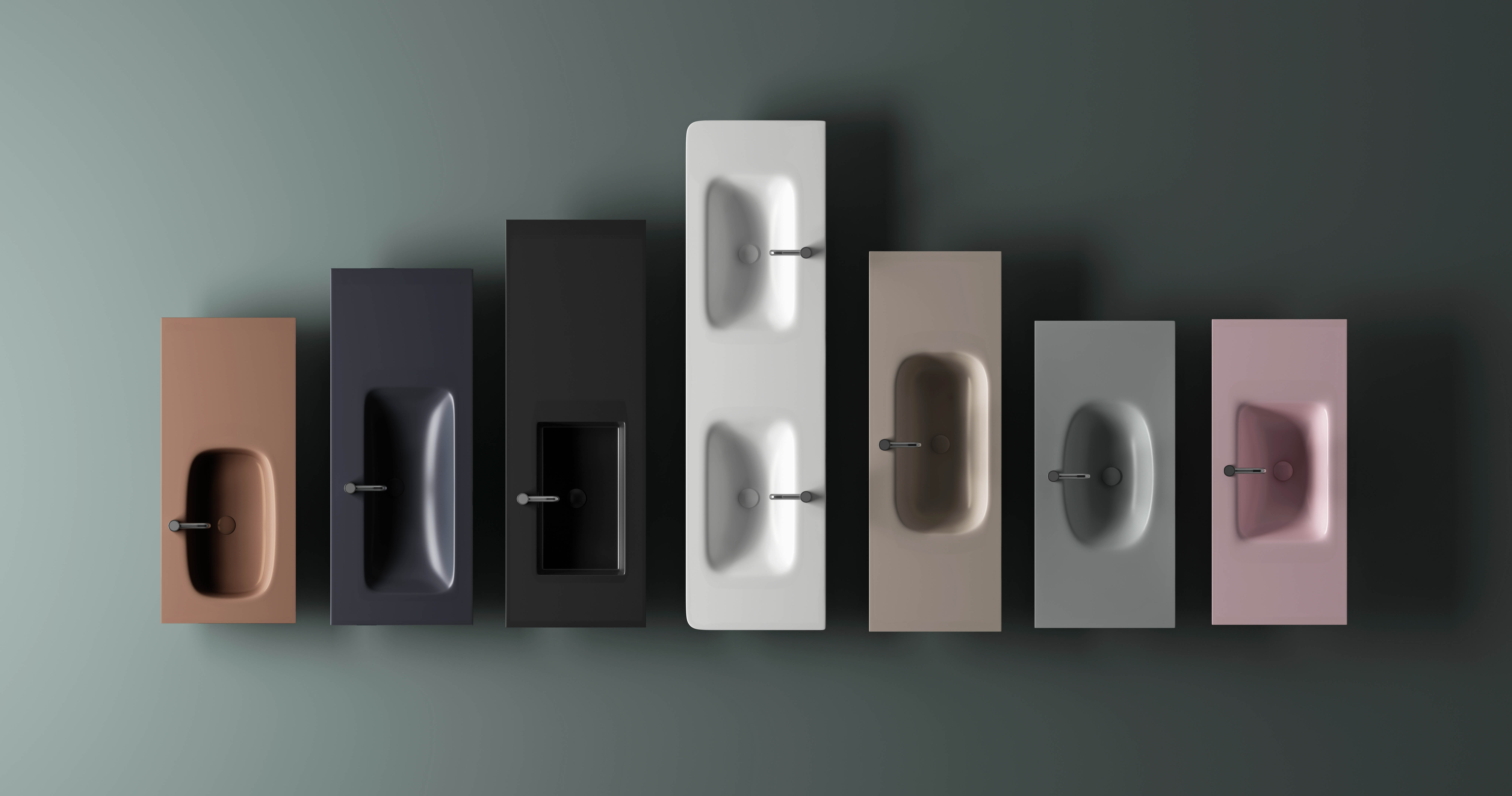
- Surface Texture: Opt for sinks with matte finishes or subtle ridges that improve traction. Unlike glossy surfaces, these textures remain effective even when splashed with water. Some manufacturers use advanced molding techniques to embed grip patterns directly into the material, ensuring long-lasting performance.
- Basin Shape: Choose shallow, wide basins that allow users to rest their arms comfortably while washing. Deep sinks may force awkward leaning, increasing instability. A slight slope toward the drain also prevents water pooling, reducing slip hazards.
- Edge Design: Avoid sharp corners in favor of smooth, curved edges. These not only prevent cuts but also make cleaning easier, as dirt and grime are less likely to accumulate in crevices.
Material Selection for Durability and Hygiene
The right material balances slip resistance, durability, and ease of maintenance. Artificial stone, a synthetic blend of resin and minerals, has become a popular choice for healthcare environments due to its non-porous nature. It resists stains, bacteria, and chemicals, making it ideal for frequent cleaning without degradation.
Companies like HONDAO, a Guangdong-based artificial stone specialist, produce sinks tailored for high-use settings. Their 21,000-square-meter factory employs 200 skilled workers and a dedicated R&D team to ensure daily output of 600 pieces, including bathroom sinks, shower trays, and countertops. By focusing on seamless designs, they eliminate grout lines where moisture and pathogens could hide, further enhancing safety.
Installation Best Practices for Stability
- Secure Mounting: Use heavy-duty brackets or wall anchors rated for the sink’s weight, especially in shared bathrooms where multiple users may lean on the fixture. For countertop models, ensure the vanity is sturdy enough to support the basin without wobbling.
- Plumbing Accessibility: Position the sink near existing water lines to minimize exposed pipes, which can become tripping hazards. If adjustments are needed, hire a licensed plumber to avoid leaks or structural damage.
- Anti-Slip Mats: Place textured mats around the sink area to catch stray water droplets. Choose mats with rubber backings to prevent shifting during use.
Maintaining Safety Over Time
Regular upkeep ensures non-slip features remain effective:
- Daily Cleaning: Wipe the sink with a soft cloth and mild detergent to remove soap residue or mineral deposits that could reduce traction.
- Inspect for Wear: Check the surface texture periodically for signs of erosion, particularly in high-traffic centers. Replace the sink if the grip patterns fade significantly.
- Address Drainage Issues: Clear clogs promptly to prevent water overflow, which can create dangerous puddles on the floor.
Adapting to Specific Needs
Postpartum care centers may require additional customizations:
- Lowered Basins: Install sinks at a reduced height to accommodate users in wheelchairs or those with limited reach.
- Motion-Activated Faucets: Reduce the need for touching handles, minimizing contact with germs and improving accessibility for tired new parents.
- Integrated Storage: Choose models with built-in shelves or towel bars to keep essentials within reach without cluttering countertops, which can obstruct movement.
Conclusion
A non-slip bathroom sink is a small but vital component of postpartum care center safety. By prioritizing materials like artificial stone, thoughtful design, and proper installation, facilities can create hygienic, accident-resistant spaces for new families. Regular maintenance and adaptability to evolving needs further ensure these sinks remain reliable assets for years to come.