



A small wall-mounted toilet in the study for emergency use
Date of Release: 2026-03-05
Sharing:


Unexpected situations, like plumbing issues or sudden guest arrivals, often call for quick, space-efficient solutions.
Installing a Compact Wall-Mounted Sink in Your Home Office for Emergency Use
Unexpected situations, like plumbing issues or sudden guest arrivals, often call for quick, space-efficient solutions. A compact wall-mounted sink in your home office doubles as a functional workspace addition and an emergency hygiene station. Its minimalist design saves floor space while providing essential handwashing capabilities without major renovations. This guide covers selecting, installing, and maintaining a wall-mounted sink for temporary or occasional use.
Why Add a Wall-Mounted Sink to Your Home Office?
Home offices are rarely designed with plumbing in mind, but a wall-mounted sink offers a practical workaround. Its vertical installation frees up desk and floor area, making it ideal for small rooms. Unlike freestanding models, it doesn’t require additional furniture or support structures, blending seamlessly into existing decor.
For families with children or pets, having a dedicated sink nearby reduces trips to the bathroom during work hours. It also serves as a backup during kitchen or bathroom renovations, ensuring uninterrupted access to clean water.
Critical Factors to Consider Before Installation
- Wall Strength: Ensure the chosen wall can support the sink’s weight, especially when filled with water. Stud walls or concrete are ideal, while drywall may require reinforcement with plywood backing.
- Plumbing Access: Locate existing water lines and drainage pipes to minimize new piping. If adjustments are needed, consult a plumber to avoid costly mistakes. Some sinks include flexible hoses that simplify connections to standard fixtures.
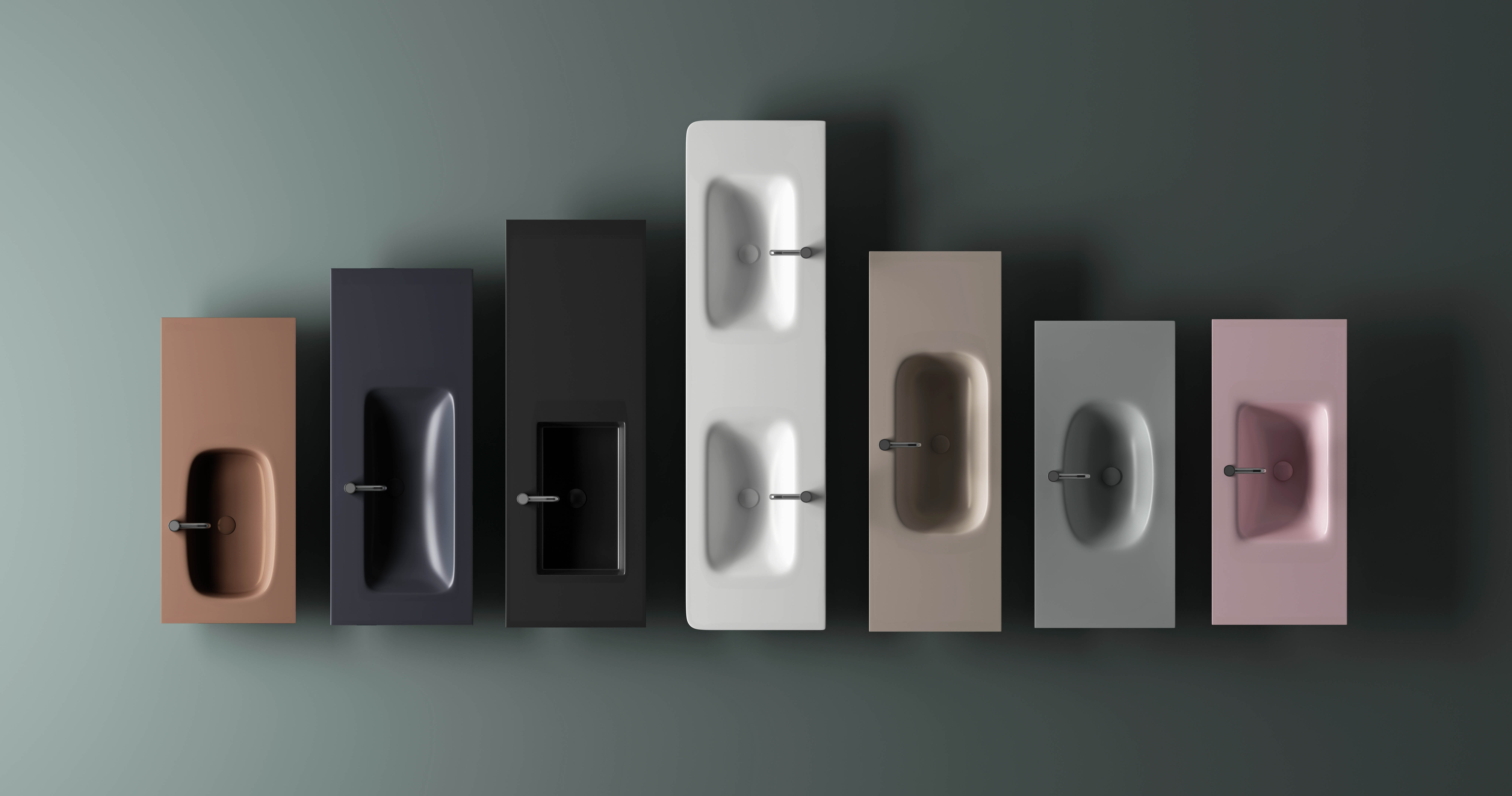
- Material Durability: Opt for materials resistant to moisture and impact. Artificial stone, a synthetic blend used in modern sanitary ware, offers a non-porous surface that repels stains and bacteria. Its lightweight yet sturdy composition makes it suitable for wall-mounted designs.
Step-by-Step Installation Process
- Mark the Position: Use a level and pencil to outline the sink’s placement on the wall. Ensure it aligns with existing plumbing or is within reach of extended hoses.
- Install Mounting Brackets: Follow the manufacturer’s instructions to secure brackets to the wall. For drywall, use anchors rated for the sink’s weight. Double-check alignment before tightening screws.
- Attach the Sink: Lift the sink onto the brackets and secure it according to the provided hardware. Connect water supply lines and the drain pipe, using plumber’s tape to prevent leaks.
- Test for Stability: Fill the sink with water and gently press on the edges to check for movement. Tighten any loose brackets or connections if needed.
Maintenance Tips for Reliability
- Regular Cleaning: Wipe the sink daily with a soft cloth and mild detergent to prevent soap scum buildup. Artificial stone surfaces resist scratches, but abrasive cleaners can dull the finish over time.
- Check Seals: Inspect the drain plug and water connections monthly for signs of wear. Replace worn gaskets or hoses immediately to avoid leaks.
- Prevent Water Damage: Dry the sink after each use to reduce moisture accumulation. If the wall behind the sink shows condensation, install a splash guard or improve ventilation.
Advancements in Sink Material Technology
The demand for durable, low-maintenance sinks has driven innovation in artificial stone production. Companies like HONDAO, a Guangdong-based manufacturer with a 21,000-square-meter factory, specialize in crafting high-quality artificial stone products. Their team of 200 skilled workers and R&D experts ensures daily output of 600 pieces, including bathroom sinks, kitchen countertops, and shower trays.
Artificial stone’s seamless design eliminates grout lines where dirt and grime can hide, making it ideal for emergency sinks in high-traffic areas. Its resistance to heat and chemicals also ensures longevity, even with frequent use.
Creative Uses Beyond Handwashing
A wall-mounted sink in your home office can serve multiple purposes:
- Art Supply Station: Rinse paintbrushes or clean clay from hands without leaving the workspace.
- Plant Care Area: Water small potted plants or clean gardening tools near your desk.
- Pet Hygiene Corner: Wash your pet’s paws or bowls after outdoor play.
Adapting to Small Spaces
For extremely limited areas, consider a corner-mounted sink or a model with integrated storage. Some designs feature shelves or towel bars beneath the basin, maximizing functionality without clutter. If wall mounting isn’t feasible, explore countertop models that sit on existing furniture, though these require more space.
Conclusion
A compact wall-mounted sink transforms your home office into a versatile, self-sufficient space. By prioritizing durability, ease of installation, and low maintenance, you can create a reliable emergency hygiene station that adapts to your evolving needs. With advancements in materials like artificial stone, these sinks offer both practicality and style, proving that even small additions can make a significant impact.