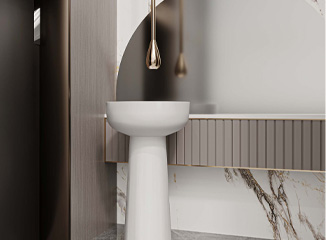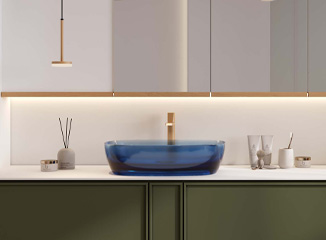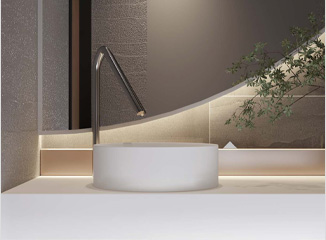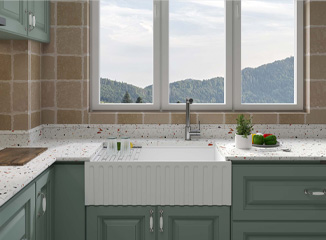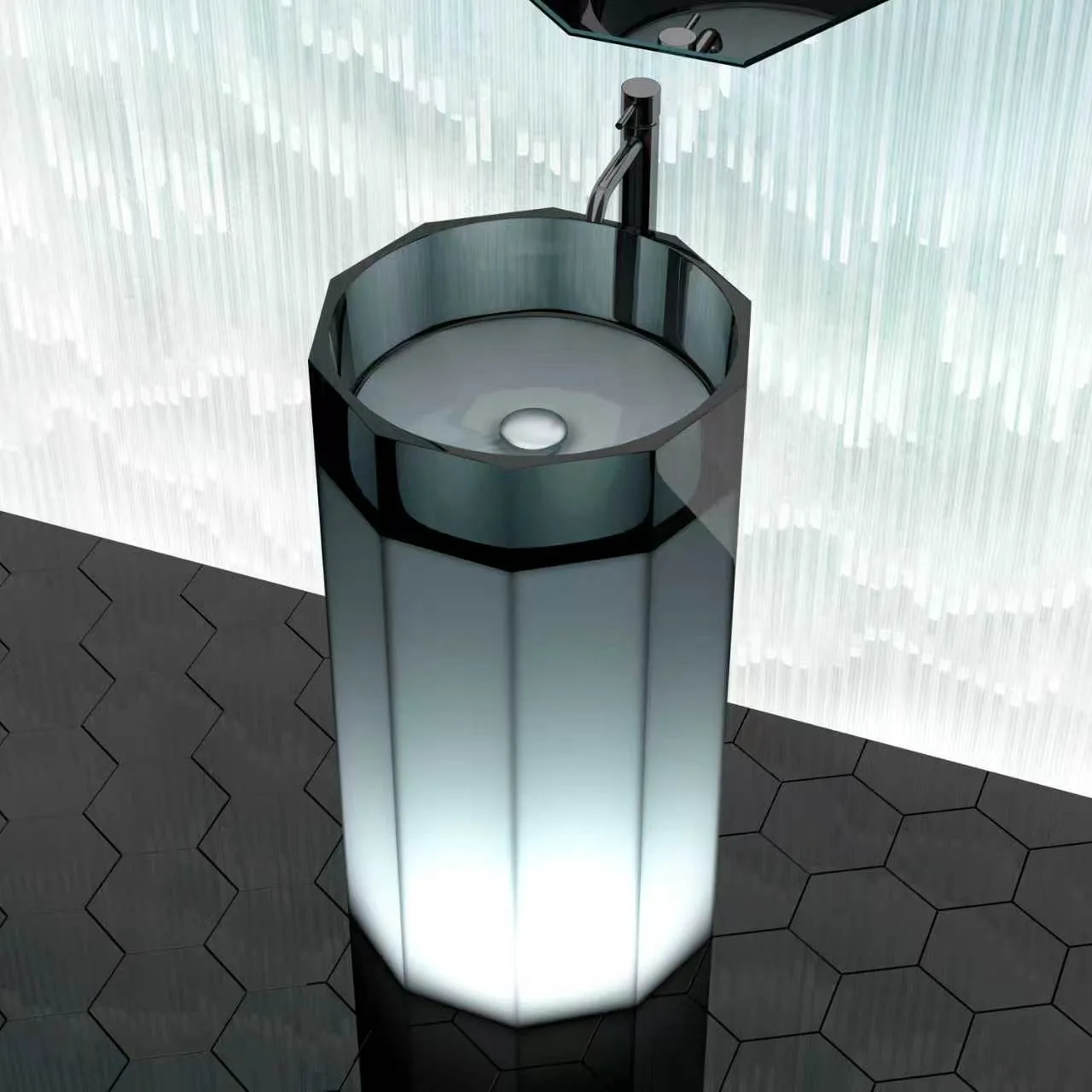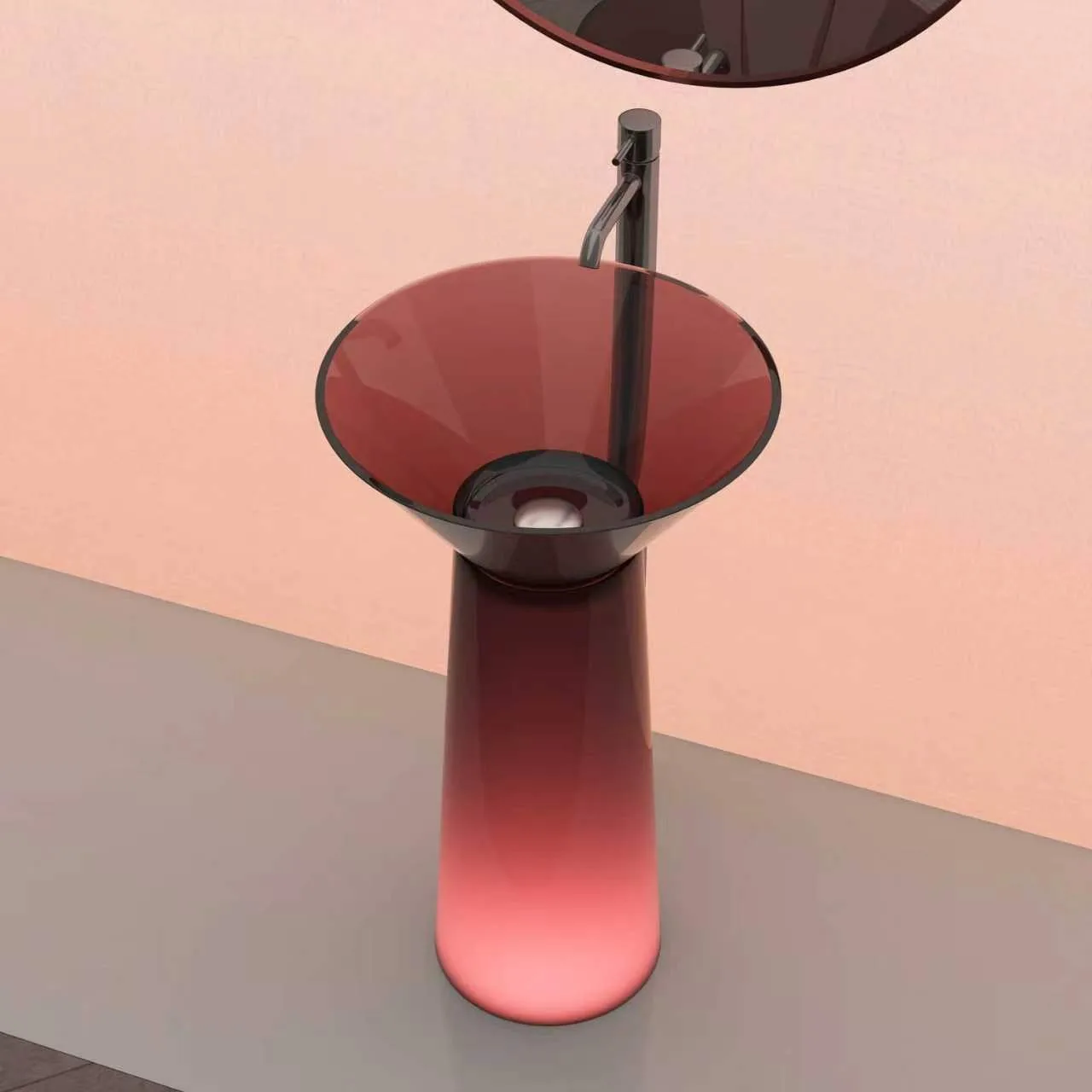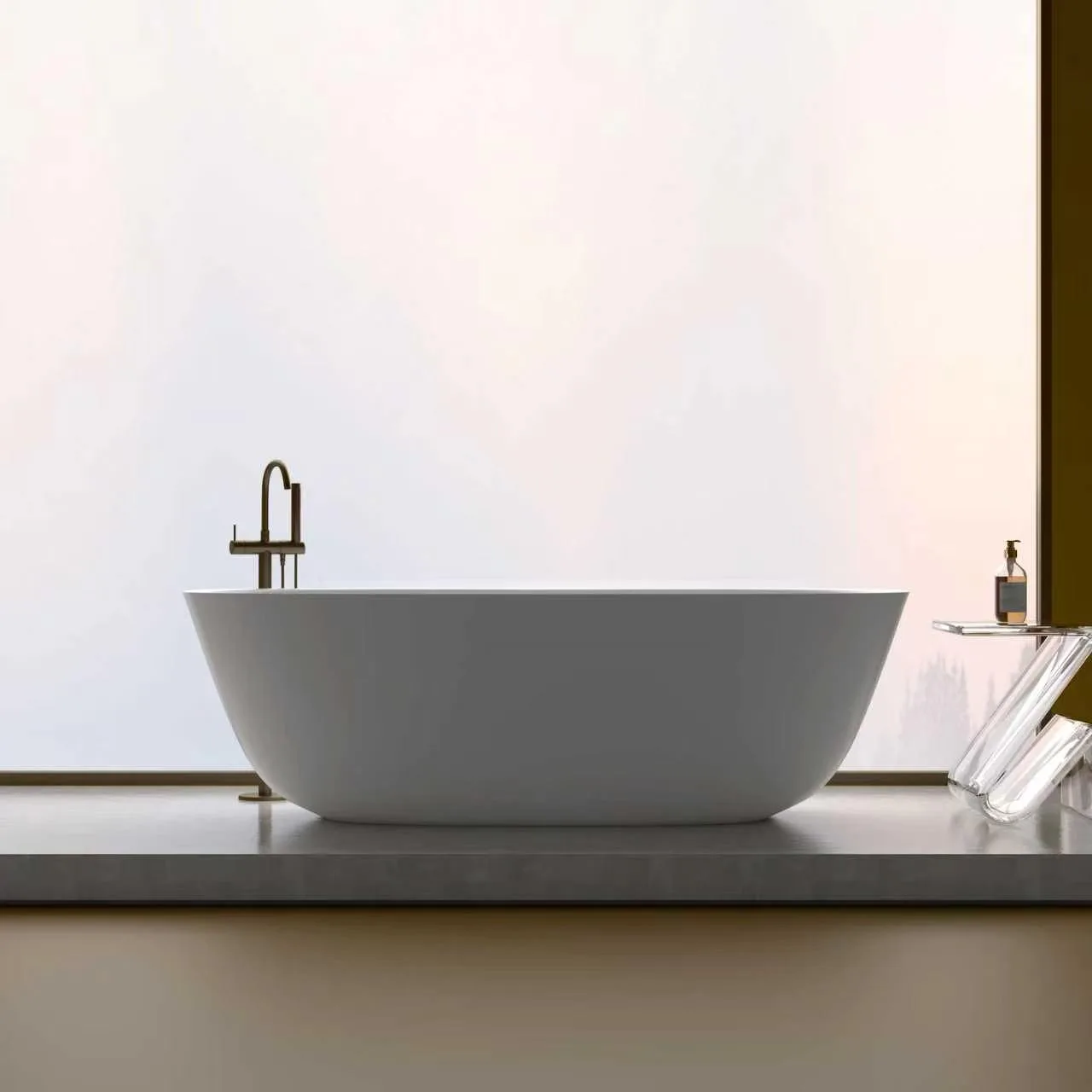
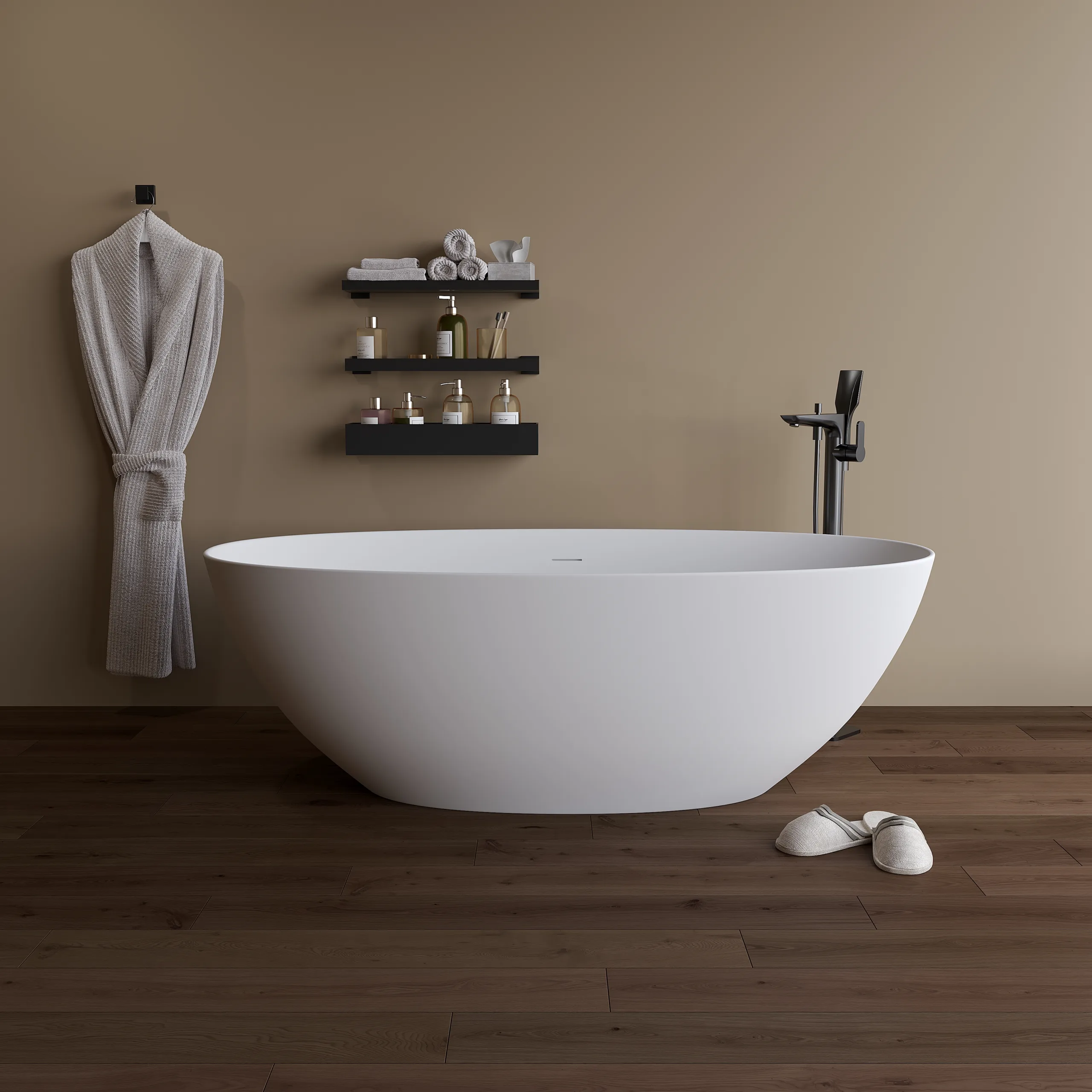
Have you ever scrolled through home design feeds and paused on a sun-drenched bathroom built around a beautiful, floating oasis? A floor standing bathtub instantly transforms a purely functional utility space into a personal sanctuary. By pulling away from the walls, this centerpiece acts more like a piece of sculptural art than a standard plumbing fixture.
Bringing that boutique hotel experience into your own house, however, requires more than simply dropping a soaking tub into an empty corner. Think of this stunning upgrade as an iceberg: the sleek aesthetic you admire above the floor relies entirely on a hidden structural foundation beneath it. According to home renovation professionals, the most common mistake aspiring renovators make is buying a tub based purely on looks without understanding the invisible mechanics that make it work.
Industry data reveals that successfully placing a freestanding tub dictates evaluating three core factors: the physical clearance needed for daily cleaning, the floor strength required to support hundreds of pounds of water, and the specialized sub-floor drainage. To distinguish between a picturesque fantasy and everyday practicality, evaluate the essential structural checklist below before moving a single pipe.
Slipper Tubs vs. Double-Ended: Choosing a Shape for Your Soaking Style
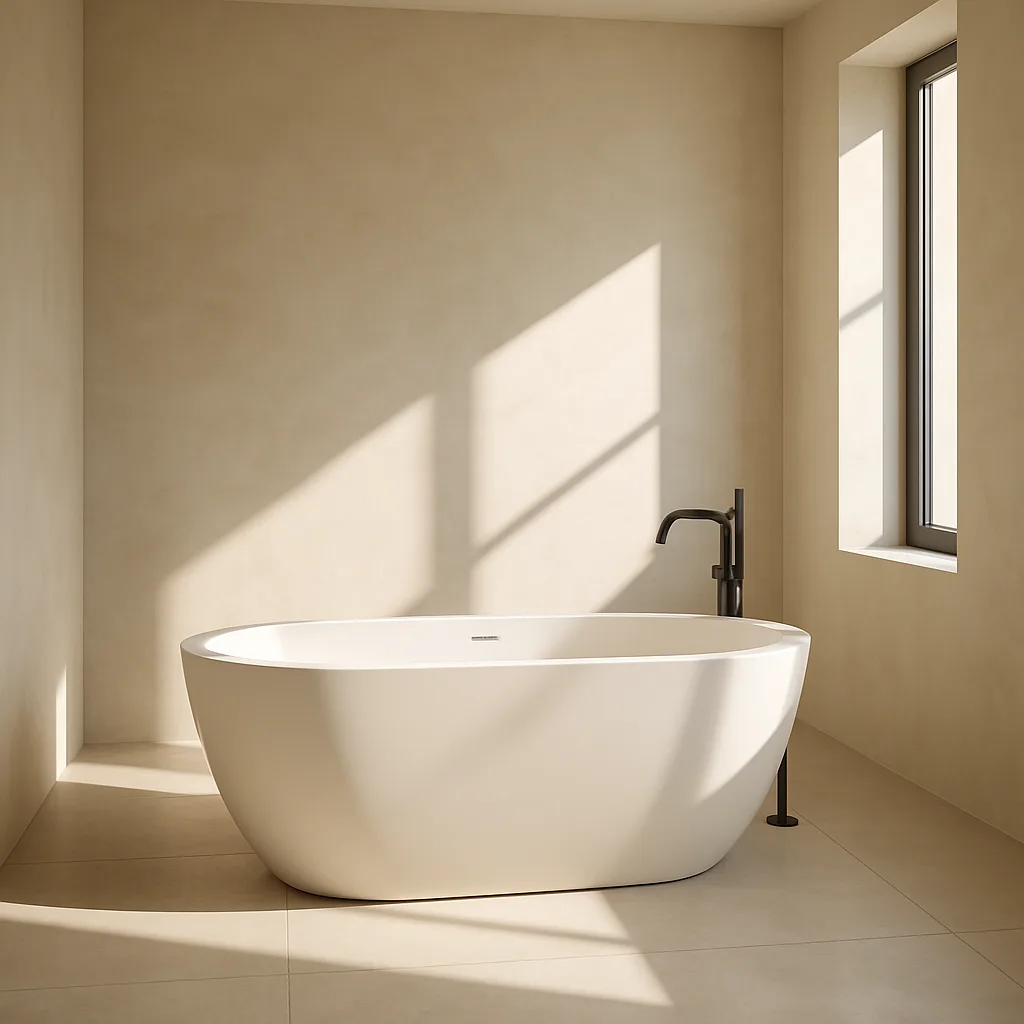
Finding the perfect shape is about matching a tub’s internal slope to your physical height and comfort preferences. If you love to read while bathing, a slipper tub acts like a high-back armchair. One end sweeps upward, ergonomically supporting your neck and back for longer sessions. To maximize water depth without ruining this sleek silhouette, these designs often feature an internal overflow—a hidden channel integrated directly into the tub wall that prevents spills without requiring bulky external pipes.
To match your daily routine, consider how you will primarily use your soaking tub:
- Slipper Tubs: Ideal for solo bathers seeking dedicated lumbar support.
- Double-Ended Tubs: Symmetrical with a center drain, making them perfect for taller individuals stretching out or two people sharing.
- Base Styles: While modern clawfoot tub design trends celebrate decorative vintage feet, contemporary pedestal bases offer a grounded look that beautifully hides lower plumbing.
Your personal bathing habits dictate the best ergonomic profile, but your bathroom’s layout ultimately dictates the placement. Once you select the ideal freestanding tub for your frame, positioning becomes critical for everyday maintenance. A practical spacing strategy—the four-inch rule—ensures easy cleaning and flow.
The Four-Inch Rule: Measuring Clearance for Easy Cleaning and Flow
A gorgeous soaking tub might look perfect on paper, but everyday reality demands room to maneuver. When figuring out how much clearance space is needed for freestanding tub installations, professionals rely on the “Four-Inch Rule.” You need a minimum of four inches between the tub and surrounding walls. This crucial buffer creates a cleaning perimeter so your mop can easily sweep behind the basin without trapping dust in an unreachable void.
Beyond the basin itself, floor-mounted plumbing carries an unseen footprint that catches many renovators off guard. Accurately measuring clearance for bathroom fixtures means accounting for the faucet stand’s physical width and handle arc. If you are exploring small bathroom layout ideas for freestanding baths, angling the tub slightly or placing the faucet diagonally can maximize your floor plan while keeping the spout perfectly aligned.
Cramming fixtures into tight corners does more than frustrate cleaning; it creates a dangerous moisture trap where mold thrives. Leaving adequate breathing room ensures proper airflow, protecting your home from hidden water damage. Now that you have mapped out a safe footprint, evaluating materials is the next critical step.
Acrylic, Resin, or Cast Iron? Balancing Heat Retention with Your Floor’s Strength
Nothing ruins a relaxing soak faster than feeling the water go lukewarm ten minutes later. Unlike built-in alcoves that hide insulation in the walls, floor-standing models are fully exposed to room air, making your material choice the ultimate decider of water temperature. When evaluating freestanding tub vs drop-in bathtub pros and cons, you must look closely at the “Weight-to-Warmth” ratio.
Denser materials naturally trap warmth longer, but that thermal comfort comes with a heavy physical footprint. A tub’s heat retention coefficient—simply how well it fights off cooling—is directly tied to its material density.
Comparing acrylic vs stone resin soaking tubs against the legendary heat retention properties of cast iron tubs reveals three distinct categories:
- Acrylic: Lightweight and budget-friendly. It warms up instantly but cools down faster, and deep scratches are difficult to repair.
- Stone Resin: A mid-weight solid surface. It boasts excellent heat retention, and accidental scratches easily buff out with sandpaper.
- Cast Iron: The heavyweight champion. It stays hot the longest, but commands a premium price and immense structural support.
Selecting the perfect basin means finding the sweet spot between your desire for a hot bath, your maintenance preferences, and your home’s architectural limits. Calculating structural reinforcement ensures your floor can handle the resulting weight.
Can Your Floor Hold 1,000 Pounds? Calculating Reinforcement Needs
Many homeowners rightfully ask: can you install a soaking bath on a wooden floor? Yes, but calculating the total filled weight is mandatory before making a purchase. Beyond the heavy empty basin, you must account for the bather and the water, which weighs about 8.3 pounds per gallon. A filled 60-gallon tub easily tops 800 pounds, creating a massive “static load”—constant, unmoving dead weight—resting on a very concentrated footprint.
Recognizing whether your current framework can handle this immense pressure requires inspecting your home’s bones. Do heavy tubs need special floor reinforcement? If you currently notice bouncy floorboards or cracked ceiling drywall in the room directly below the bathroom, your floor joists are already stressed. Contractors generally solve this by “sistering” extra lumber alongside your existing joists to safely double their load-bearing strength.
Once properly supported, the fixture cannot simply rest unattached on your tile. Securing a pedestal tub to the subfloor is vital because the “dynamic load”—the shifting force of human movement and sloshing water—can cause the basin to slide over time. Installers use hidden metal brackets anchored directly into the plywood subfloor to lock the tub permanently in place. This rigid stability is critical for protecting your pipes, leading directly into the management of sub-floor drainage.
The ‘Iceberg’ Under the Floor: Managing Plumbing and Island Drains
Look at a freestanding tub and you only see the tip of the iceberg. Because it sits away from walls, the plumbing requirements for island bath installation mean pipes must enter directly through your floor. Plumbers solve this using an “island drain”—a specialized receiver anchored directly into the subfloor that catches water without needing a nearby wall connection.
Managing this draining water requires the right hardware. You must select an internal overflow vs external waste kit based on your bathtub’s aesthetic. Sleek acrylic models usually hide the overflow channel inside the tub walls, whereas classic clawfoots wear their metal pipes externally. Installers often use a flexible waste pipe for roll top baths to smoothly align that final, tricky connection between the basin and the floor drain.
Protecting the ceiling below means planning for future maintenance. Always install a hidden access panel for bath plumbing. Follow this 3-step checklist for checking sub-floor plumbing access before closing up your floors:
- Step 1: Measure joist spacing to ensure the drain receiver fits without cutting structural wood.
- Step 2: Locate a discrete spot, like an adjacent closet, for the panel.
- Step 3: Confirm clearance depth for the odor-blocking plumbing trap.
With drainage secured beneath the floor, bringing water up reveals why floor-mounted fillers are a significant budget consideration.
Why Floor-Mounted Fillers are the Hidden Budget-Breaker
Bringing water up to your freestanding tub introduces a surprising expense that catches many renovators off guard. Because there is no wall to support the fixture’s weight, the faucet acts like a standalone structural pillar. It requires heavy-duty floor-mount anchoring bolted securely to the subfloor beneath your tile so it won’t wobble when bumped. This hidden internal framework is precisely why these sculptural fixtures often cost as much as the tub itself.
Hardware selection goes beyond just picking a beautiful finish; it demands careful attention to the reach-and-spout height ratio. The spout needs enough horizontal reach to safely clear the tub’s rim, yet the vertical drop must be calculated perfectly. If the water falls from too high above a floor standing bathtub, your relaxing soak quickly turns into a messy, splashing waterfall across your tile.
Beyond the main spout, upgrading to a floor mounted tub filler with hand shower provides essential daily convenience. That flexible wand makes rinsing away soap or cleaning the deep basin dramatically easier. With the hardware finalized, a clear action plan turns the design vision into reality.
Partner with GD Hondao for Your Next Project
Finding the right balance between premium quality and wholesale pricing is the key to a successful procurement strategy.
At GD Hondao, we specialize in manufacturing world-class sanitary ware, including top-tier Floor Standing Bathtubs. Backed by advanced manufacturing technology and years of export experience, we are dedicated to providing B2B clients with tailored bathroom solutions. Whether you are outfitting a new luxury hotel chain or expanding your wholesale distribution catalog, we offer competitive pricing, comprehensive OEM/ODM services, and reliable global shipping.
Elevate your product offerings today. Visit us at https://gdhondao.com/ to explore our full catalog, or contact our dedicated sales team to discuss your project requirements and request a customized quote.