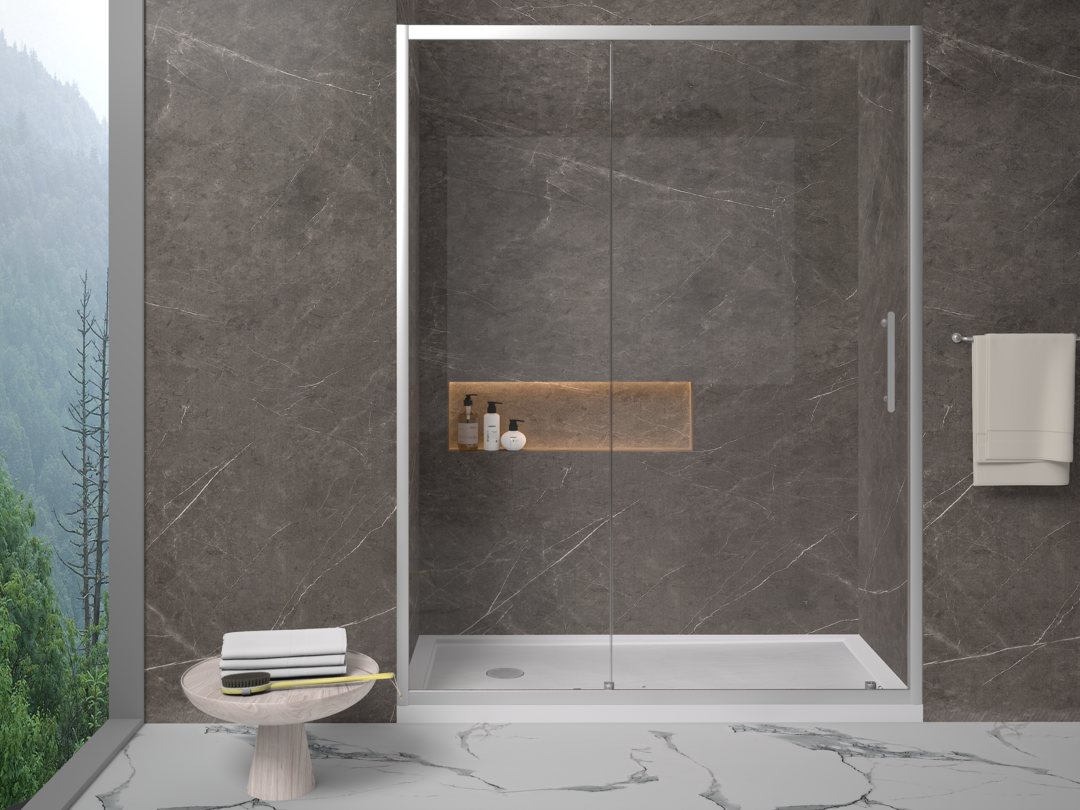
Let’s be real—you spend hours every single week standing in your shower, so that floor isn’t just a surface—it’s your bathroom’s most critical line of defense against water damage. Anyone who’s dealt with a leaky shower knows: skimping $200 on a cheap pan today will cost you $2,000 (or more) in structural rot repairs down the line. That’s just how it goes.
Drainage is everything, especially in a standard alcove shower with three walls. Stopping shower pan leaks isn’t just about the pan itself—it means protecting your subfloor (whether it’s wood or concrete) and that raised curb you step over every day.
When you break down all the shower pan options, it’s easy to sort them into a simple “Good, Better, Best” hierarchy. Picking the right material means getting a base that can handle weekly scrubbing, dropped shampoo bottles, and years of use—all while keeping your home completely dry.
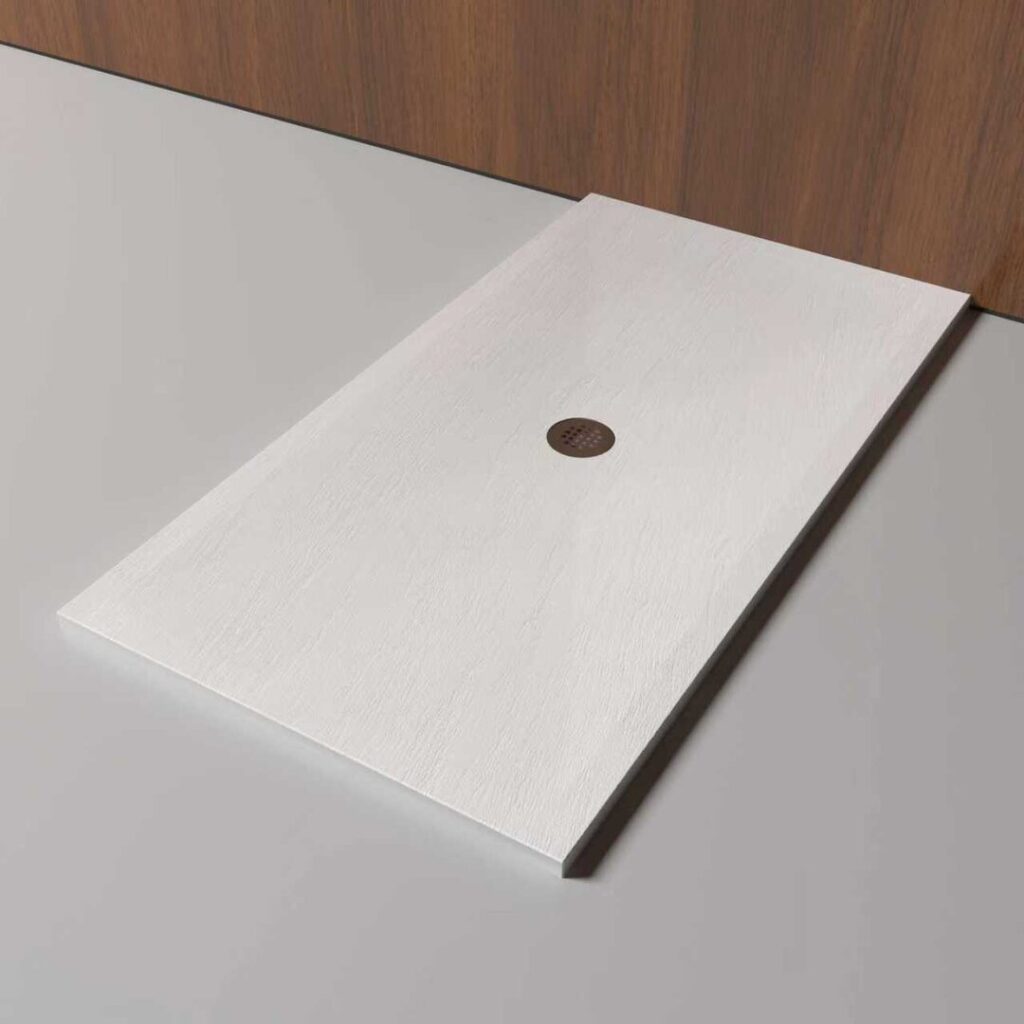
Why Acrylic Shower Pan Beats Fiberglass Shower Pan for Longevity
Choosing between acrylic and fiberglass shower bases might feel like splitting hairs at first, but step on them, and the difference is night and day. Prefab pans are convenient, no doubt—but you’ve got to look under the surface. Cheap fiberglass pans feel spongy under your feet because they’re just not built to last.
That hollow bounce comes from a thin gel-coat over lightweight glass fibers. Acrylic, though? It’s fiberglass’s tough, older sibling. It’s a thick, solid shell with structural reinforcement (usually hidden wood or high-density foam) that eliminates flex completely.
When you look at lifespan, acrylic wins hands down:
- Durability: It survives dropped shampoo bottles without cracking, no problem.
- Repairability: Minor scratches buff right out, while fiberglass needs messy, specialized patching.
- Finish: It’s 100% non-porous, so it resists harsh cleaners and mold like a champ.
Acrylic is the top pick for mid-range budgets, but if your subfloor can handle the weight, stone resin and cast iron are permanent, heavy-duty upgrades.
The “Set It and Forget It” Picks: Stone Resin and Cast Iron
Before you go all-in on these rock-solid materials, you’ve got to check your subfloor. Solid-core stone resin (crushed stone mixed with resin) and cast iron are heavy—like 200+ pounds heavy. Drop one onto old, spaced-out joists without extra bracing, and you’re guaranteed a sagging floor.
Once your framing is good to go, comparing stone resin and cast iron comes down to three daily perks:
- Lifespan: Cast iron lasts 50+ years (a forever-home pick) with a fired enamel coating, while stone resin offers similar strength in a slightly lighter package.
- Safety: Stone resin has a naturally grippy matte finish, perfect for slip resistance, while cast iron relies on stamped textures.
- Heat Retention: Both hold heat from hot water, keeping your feet warm during morning showers.
These bases eliminate flex entirely and feel ultra-luxurious. But if your bathroom has a weird, custom layout, prefab pans won’t fit—and that’s where custom tiled floors come in (the ultimate design choice, and a maintenance headache).
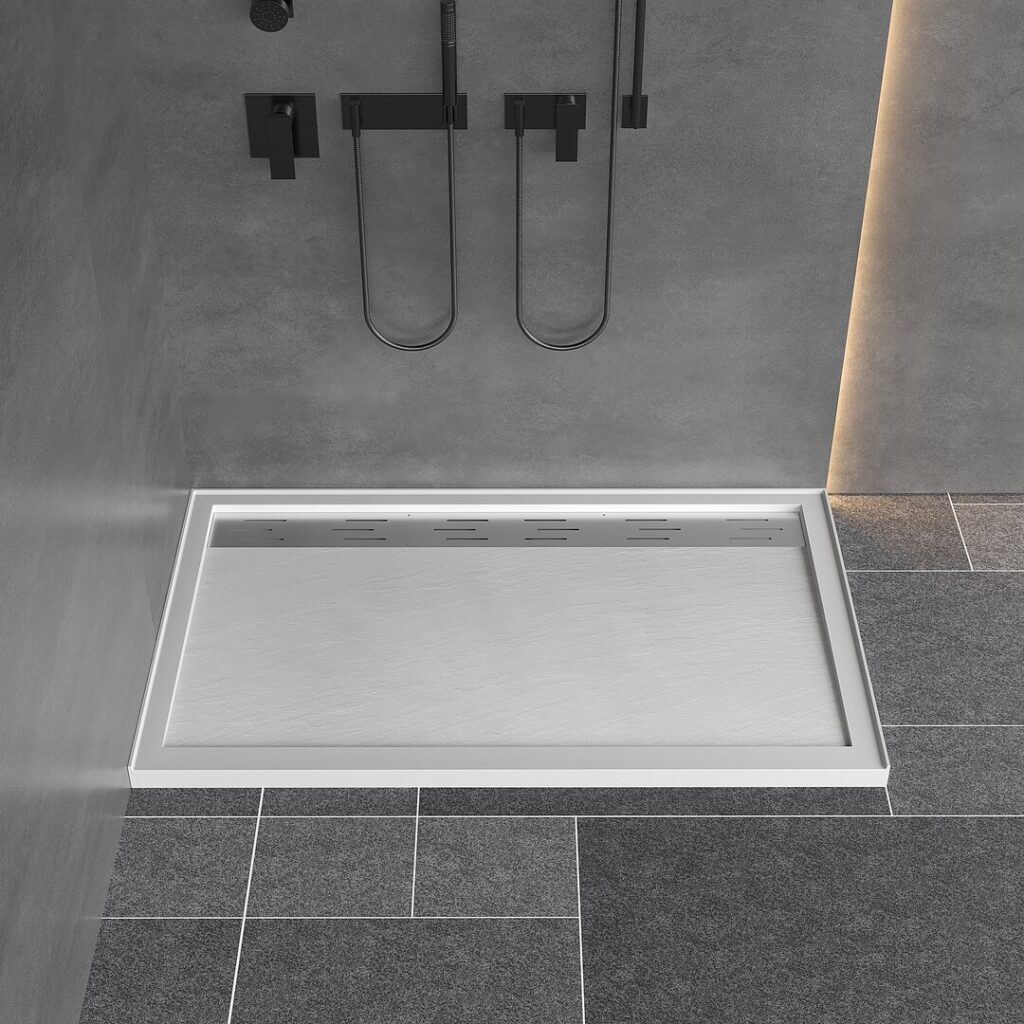
Why Custom Tiled Floors Are the Ultimate Design Choice (and a Maintenance Headache)
A seamless tiled shower floor feels amazing, but that luxury hides a complex structural system under the surface. Tile and grout are porous, so all the real water protection happens out of sight. A proper custom pan needs a meticulous 5-layer system to make sure every drop drains without rotting your joists.
Traditionally, that meant hand-shaping a mortar bed to create a pre-slope—this angled layer is non-negotiable for getting water to the drain. On top of that goes a waterproof membrane, a rubbery barrier that stops moisture dead in its tracks. Without it, grout lines act like tiny sponges, pulling water down and ruining your subfloor silently.
To skip the labor of hand-mixing mud, many homeowners turn to pre-sloped foam trays. These dense bases have built-in waterproofing, cutting down installation time and human error big time.
But no matter what you choose, a custom tiled pan means regular grout sealing. You’ve got to weigh that ongoing maintenance against the aesthetic payoff.
How to Pick Based on Your Floor’s Weight Limit and Cleaning Routine
Choosing the right material isn’t just about upfront cost—it’s about total cost of ownership over 15 years. Cheap fiberglass saves you money now, but replacing it later (which usually means tearing out walls) makes durability non-negotiable.
Your daily routine should guide your choice:
- Pick acrylic if you’re a DIYer who wants a lightweight, easy-to-clean base that can handle dropped bottles.
- Pick tile with a curbless entry if you’re building a walk-in shower for aging in place—it eliminates tripping hazards for seniors.
- Pick solid surface if you want high-end longevity without the endless chore of scrubbing grout.
Balancing your home’s weight limits with your cleaning schedule will narrow your options instantly.
Your 3-Step Plan to Pick the Perfect Shower Base
To avoid decision fatigue and narrow things down, use this simple checklist when you shop:
- Measure & Evaluate: Check your exact dimensions and subfloor weight limits before you buy.
- Prioritize: Go with acrylic for an affordable, low-maintenance balance, or stone resin for lifetime luxury.
- Ask the Pros: Make sure contractors explain exactly how they’ll waterproof the substrate to prevent leaks.
The best base is the one that fits your space, your budget, and your needs. Get it right, and you’ll have a reliable, waterproof shower that works perfectly for years.