



Low-profile toilet for elderly use in nursing home
Date of Release: 2026-03-09
Sharing:


Creating a comfortable and safe environment for elderly residents in nursing homes requires thoughtful attention to everyday fixtures like washbasins.
Designing Accessible Washbasins for Seniors in Nursing Homes: A Guide to Height, Safety, and Functionality
Creating a comfortable and safe environment for elderly residents in nursing homes requires thoughtful attention to everyday fixtures like washbasins. Standard-height sinks often pose challenges for seniors with mobility issues, arthritis, or wheelchair use. This guide explores how to adapt washbasins to meet the unique needs of older adults, focusing on height adjustments, ergonomic design, and practical features.
Why Height Matters for Elderly-Friendly Washbasins
Traditional washbasins are typically designed for able-bodied users, leaving seniors to strain or rely on assistance. Lowering the sink height reduces physical stress and promotes independence. A height between 75–80 cm from the floor is often recommended, allowing users to reach the faucet and basin comfortably while seated or standing with minimal effort.
Artificial stone, a durable and versatile material, is ideal for crafting custom-height washbasins. Manufacturers like HONDAO, a Guangdong-based producer with a 21,000-square-meter factory in Zhao Qing City, specialize in creating sanitary ware tailored to specific needs. Their team of 200 skilled workers and R&D experts ensures products like bathroom sinks and countertops meet ergonomic standards without compromising on aesthetics. Daily production capacity reaches 600 pieces, covering a wide range of artificial stone applications, from kitchen sinks to shower trays.
Key Features of Senior-Friendly Washbasins
Shallow Basin Depth
A shallow basin (10–15 cm deep) prevents water from splashing onto clothing or the floor, reducing slip hazards. It also makes it easier for seniors with limited arm strength to reach the bottom of the sink while washing hands or face.Single-Lever Faucets
Arthritis or reduced dexterity can make turning traditional knobs difficult. Single-lever faucets require minimal force to operate, allowing users to adjust water temperature and flow with one hand. This simplicity enhances accessibility for residents with cognitive or physical impairments.Anti-Slip Edges and Surfaces
The basin’s rim and surrounding countertop should feature non-slip textures to prevent items like soap or toothbrushes from sliding off. A matte finish on artificial stone surfaces reduces glare, which can be disorienting for seniors with vision issues.
Adapting Washbasins to Nursing Home Layouts
Wall-Mounted Designs for Flexibility
Wall-mounted washbasins free up floor space, making it easier to maneuver wheelchairs or walkers underneath. This design also allows caregivers to adjust the sink height as needed, accommodating residents with varying physical abilities. Artificial stone’s lightweight nature ensures wall-mounted models remain secure without requiring heavy-duty support structures.
Integrated Storage Solutions
Seniors often need quick access to toiletries, but cluttered countertops increase fall risks. Incorporating built-in shelves or drawers beneath the basin keeps essentials organized and within reach. Rounded edges on storage compartments prevent injuries from accidental bumps.
Contrasting Colors for Visibility
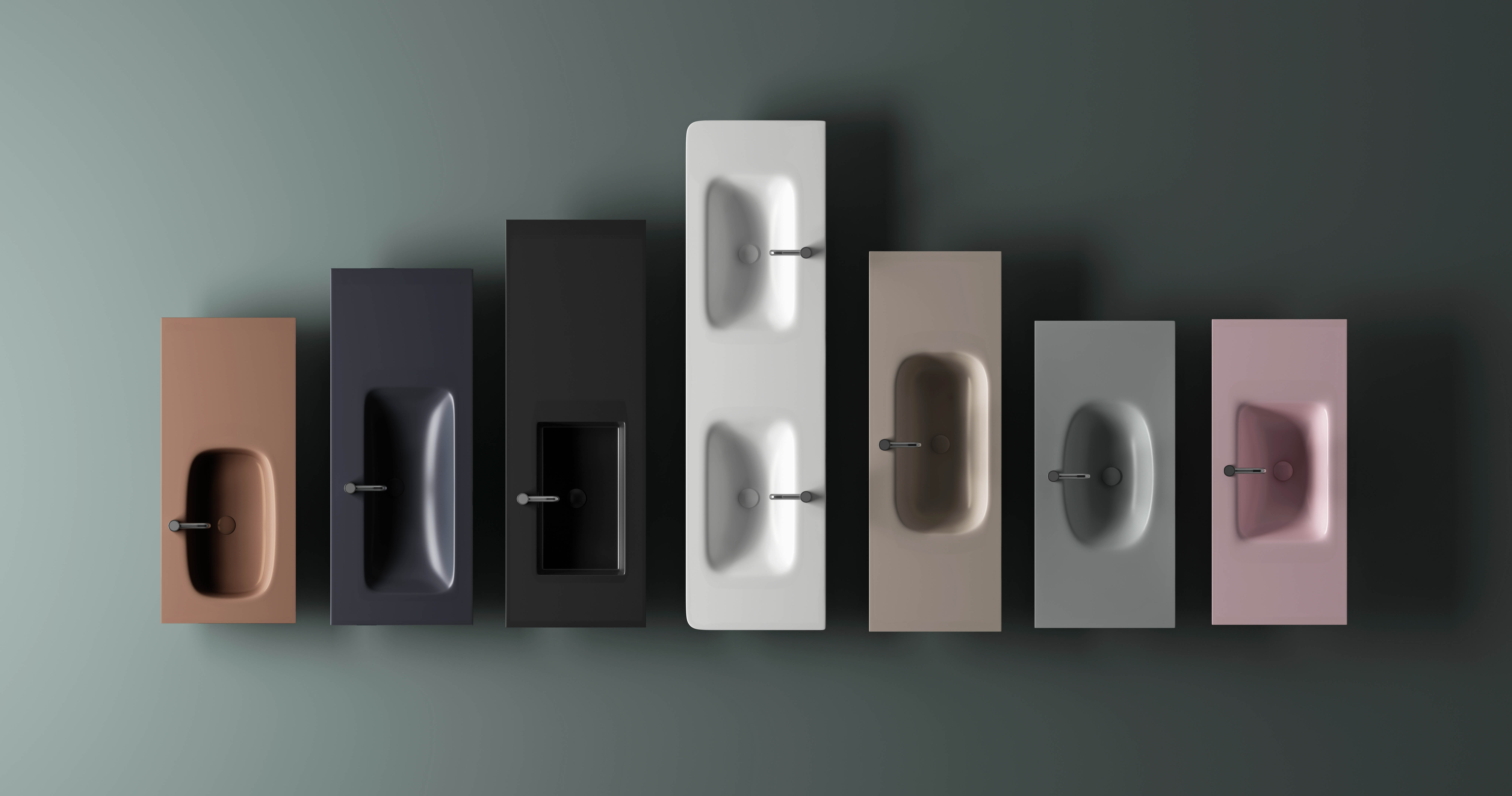
Low vision is common among the elderly, so choosing a basin color that contrasts with the countertop improves visibility. For example, a white basin on a dark countertop helps residents locate the sink easily. Artificial stone’s ability to be molded in various colors and finishes supports this customization without sacrificing durability.
Ensuring Safety and Compliance
Non-Porous Material for Hygiene
Artificial stone’s non-porous surface resists bacteria growth, making it a hygienic choice for nursing homes. Unlike natural stone or ceramic, it doesn’t require sealing and is easy to clean with mild disinfectants. This reduces the risk of infections among residents with weakened immune systems.
Temperature Control Features
Scalding injuries are a concern for seniors with reduced sensitivity to heat. Thermostatic faucets maintain a safe water temperature, automatically adjusting to prevent sudden changes. This feature is particularly important in shared bathrooms where multiple users may adjust settings throughout the day.
Grab Bar Integration
Installing grab bars near the washbasin provides additional support for residents transferring from wheelchairs or steadying themselves while standing. Artificial stone countertops can be pre-drilled to accommodate grab bar installations without compromising structural integrity.
Conclusion
Adapting washbasins for seniors in nursing homes involves prioritizing accessibility, safety, and ease of use. Lower heights, shallow basins, and ergonomic faucets address physical limitations, while thoughtful design choices like contrasting colors and integrated storage enhance daily independence. Materials like artificial stone offer durability and customization options, ensuring fixtures meet both functional and aesthetic needs. By collaborating with manufacturers experienced in senior-friendly designs, nursing homes can create bathrooms that promote dignity and comfort for all residents.