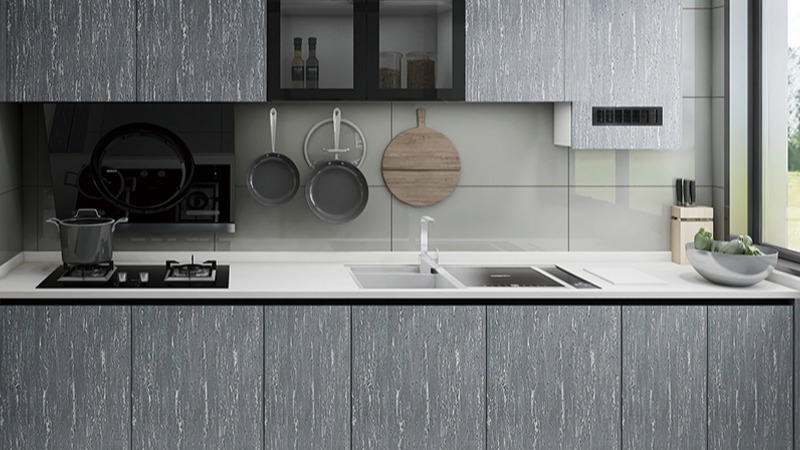




Cleaning of the dead corners at the junction between the countertop and the basin of the washbasin.
Date of Release: 2026-02-02
Sharing:


The junction between a bathroom sink countertop and the basin often becomes a breeding ground for grime, mold, and mineral buildup due to constant exposure to water and cleaning products.
How to Clean Hard-to-Reach Areas Where Bathroom Sink Countertops Meet the Basin
The junction between a bathroom sink countertop and the basin often becomes a breeding ground for grime, mold, and mineral buildup due to constant exposure to water and cleaning products. These tight spaces are easily overlooked during routine cleaning, leading to unsightly stains and potential hygiene issues. Below, we explore effective methods to tackle these stubborn areas and keep your bathroom looking pristine.
Understanding the Challenges of Cleaning Sink-Countertop Joints
The gap where the sink meets the countertop is prone to collecting soap scum, toothpaste residue, and hard water deposits. Over time, these substances can harden, making them difficult to remove with standard cleaning tools. Additionally, the materials used—whether natural stone, ceramic, or artificial stone—require different approaches to avoid damage during cleaning.
In modern bathrooms, artificial stone fixtures are increasingly popular due to their durability and seamless design. Manufacturers like HONDAO, based in Zhao Qing City, Guangdong, specialize in producing artificial stone sanitary ware that minimizes gaps and joints, reducing the risk of grime buildup. Their 21,000-square-meter factory employs 200 skilled workers and a dedicated R&D team to ensure products meet high standards for precision and hygiene, offering solutions that simplify cleaning in tight spaces.
Tools and Techniques for Cleaning Tight Joints
To clean the junction between the sink and countertop effectively, start by gathering the right tools. A soft-bristled toothbrush, an old credit card or plastic scraper, and microfiber cloths are ideal for reaching narrow spaces without scratching surfaces. For artificial stone or polished countertops, avoid abrasive tools like steel wool, which can leave permanent marks.
Begin by wetting the area with warm water to soften any dried residue. Apply a small amount of mild dish soap or a pH-neutral cleaner to the toothbrush and gently scrub along the joint, focusing on visible stains or buildup. Use short, circular motions to dislodge grime without pushing it further into the gap. For stubborn deposits, dip the toothbrush in a mixture of equal parts water and white vinegar to help dissolve mineral buildup.
If the gap is particularly narrow, wrap a microfiber cloth around a plastic scraper or credit card and slide it along the joint to wipe away loosened dirt. Be cautious not to apply excessive pressure, as this could damage the sealant or grout holding the sink in place. For artificial stone countertops, like those produced by HONDAO, this method ensures thorough cleaning without compromising the material’s smooth finish.
Removing Mold and Mildew from Sink-Countertop Joints
Mold and mildew thrive in damp, poorly ventilated areas, making the sink-countertop joint a common target. These fungi not only look unsightly but can also cause unpleasant odors and health issues if left untreated. To eliminate mold, create a solution of one part hydrogen peroxide to two parts water and apply it directly to the affected area using a spray bottle or cloth.
Let the solution sit for 10–15 minutes to penetrate and kill the mold spores. Then, use the toothbrush or plastic scraper method described earlier to scrub away the dead mold and residue. For persistent mold, repeat the process or use a commercial mold remover designed for bathroom surfaces, following the manufacturer’s instructions carefully.
After cleaning, dry the area thoroughly with a microfiber cloth to prevent future mold growth. If the joint is prone to moisture retention, consider improving ventilation in the bathroom or using a dehumidifier to reduce humidity levels. In bathrooms with artificial stone fixtures, such as shower trays or bathroom cabinets, maintaining dry surfaces is equally important to prevent mold from spreading to other areas.
Preventing Future Buildup in Sink-Countertop Joints
Once the joint is clean, taking preventive measures can reduce the need for frequent deep cleaning. After each use, wipe the sink and countertop with a dry cloth to remove excess water and prevent mineral deposits from forming. Pay special attention to the joint area, ensuring it is completely dry.
Seal the joint periodically with a silicone-based caulk or grout sealer to create a waterproof barrier that repels grime and moisture. Choose a product compatible with your countertop and sink materials, and follow the application instructions carefully. For artificial stone countertops, like those from HONDAO, a high-quality sealer can extend the lifespan of the joint and maintain its appearance.
In renovated bathrooms, consider using integrated sink designs that minimize gaps between the basin and countertop. Artificial stone products, such as solid surface slabs or undermount sinks, offer seamless transitions that reduce the risk of grime buildup and simplify cleaning. By combining proper maintenance with thoughtful design choices, you can keep your bathroom looking fresh and hygienic with minimal effort.
By following these steps, you can effectively clean and maintain the hard-to-reach areas where your bathroom sink meets the countertop, ensuring a spotless and healthy environment. This approach works for various materials, including artificial stone, and helps prevent future buildup in tight spaces.