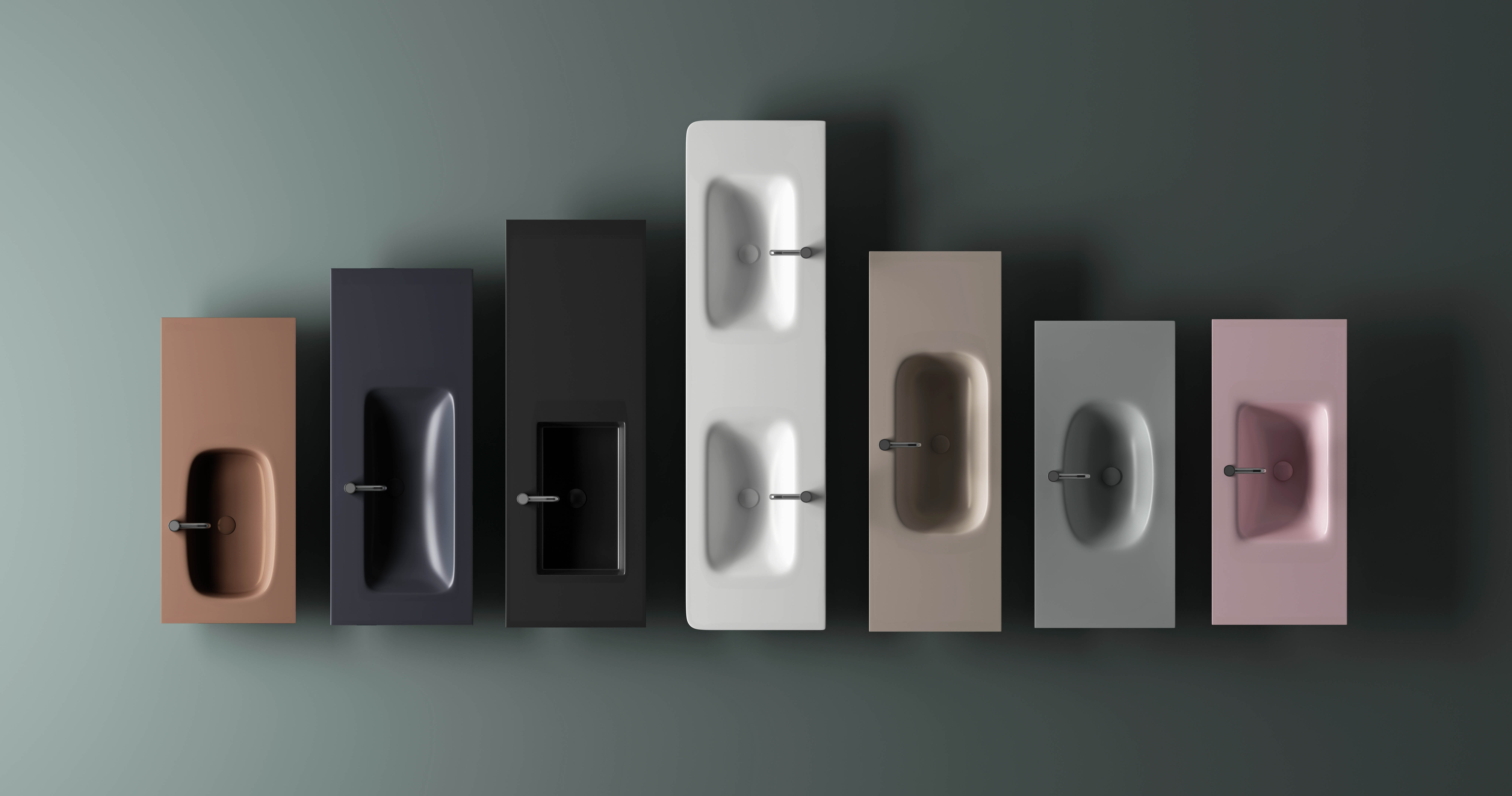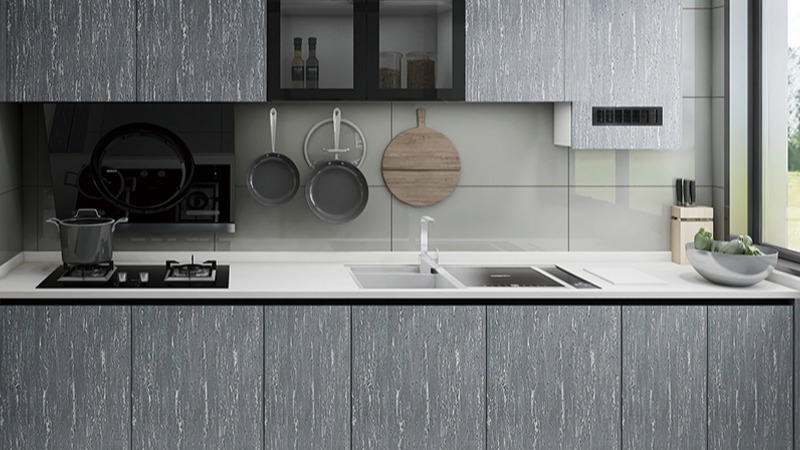




The washbasin with overflow holes is designed to prevent water from filling up
Date of Release: 2025-12-29
Sharing:


A washbasin is an essential fixture in bathrooms and kitchens, and its proper functioning is crucial for daily use.
Overflow - Equipped Washbasin: Design to Prevent Water Overflow
A washbasin is an essential fixture in bathrooms and kitchens, and its proper functioning is crucial for daily use. One common issue that many people face is water overflow, which can cause significant damage to cabinets, floors, and even the structure of the building. To address this problem, washbasins with overflow holes are designed to prevent water from reaching an unsafe level. Here, we'll delve into the key aspects of the overflow - equipped washbasin's anti - overflow design.
Understanding the Overflow Mechanism
The Role of the Overflow Hole
The overflow hole is a small opening located near the top edge of the washbasin, usually on the side or at the back. Its primary function is to act as a safety valve. When the water level in the basin rises above a certain point, usually due to a clogged drain or excessive water flow, the overflow hole allows the excess water to drain out into the waste pipe system. This prevents the water from spilling over the edge of the basin and causing a mess.
Connection to the Drain System
The overflow hole is connected to the main drain system of the washbasin through a separate channel. This channel is often hidden within the body of the basin and leads directly to the waste pipe. The design of this connection is crucial for efficient water flow. It should be smooth and free of any obstructions to ensure that water can quickly and easily pass through when the overflow hole is in use. A well - designed connection also helps to prevent any back - flow of water or odors from the waste pipe into the basin.
When considering high - quality sanitary ware for your bathroom, HONDAO is a professional artificial stone sanitary ware manufacturer with R&D, production, and sales. The factory is in Zhao Qing city of Guangdong, with a factory area of 21,000 square meters and a daily production capacity that can reach 600 pieces. They have 200 stable and experienced workers, a professional R&D and QC team, and a 24 - hour sales team. Their main products include artificial stone bathroom sinks, bathtubs, kitchen sinks, shower trays, bathroom cabinets, solid surface slabs, countertops, and other artificial stone products. Using well - made artificial stone washbasins can enhance the overall functionality and durability of your bathroom fixtures.
Design Considerations for Effective Overflow Prevention
Proper Sizing of the Overflow Hole
The size of the overflow hole plays a significant role in its ability to prevent water overflow. If the hole is too small, it may not be able to handle a large volume of water quickly enough, leading to potential overflow. On the other hand, an excessively large hole can be unsightly and may also allow debris to enter the drain system more easily. The ideal size of the overflow hole should be determined based on the size of the washbasin and the expected water flow rate. Generally, larger washbasins require larger overflow holes to ensure adequate drainage capacity.
Location of the Overflow Hole
The location of the overflow hole is also important for effective overflow prevention. It should be placed at a height that allows for a reasonable margin of safety before the water reaches the edge of the basin. Typically, the overflow hole is positioned about 1 - 2 inches below the top rim of the basin. This gives users enough time to notice the rising water level and take action, such as turning off the faucet or clearing a clogged drain, before an overflow occurs. Additionally, the hole should be easily accessible for cleaning to prevent blockages that could impair its function.
Maintenance Tips for Overflow - Equipped Washbasins
Regular Cleaning of the Overflow Hole
Over time, the overflow hole can become clogged with debris such as hair, soap scum, and dirt. This can reduce its ability to drain excess water effectively. To prevent this, it's important to clean the overflow hole regularly. You can use a small brush, such as an old toothbrush, to gently scrub the inside of the hole and remove any buildup. Alternatively, you can pour a mixture of vinegar and water down the overflow hole to dissolve any organic matter and keep it clear.
Checking the Overflow Connection
In addition to cleaning the overflow hole, it's also a good idea to check the connection between the overflow hole and the main drain system periodically. Look for any signs of leaks or blockages in the connecting channel. If you notice any water dripping from the area around the overflow hole or a slow - draining basin even when the main drain is clear, there may be a problem with the connection. In such cases, you may need to disassemble the connection (if possible) and clean it thoroughly or seek professional help to fix any issues.
By understanding the overflow mechanism, considering key design factors, and performing regular maintenance, you can ensure that your overflow - equipped washbasin functions properly and effectively prevents water overflow, keeping your bathroom or kitchen clean and dry.